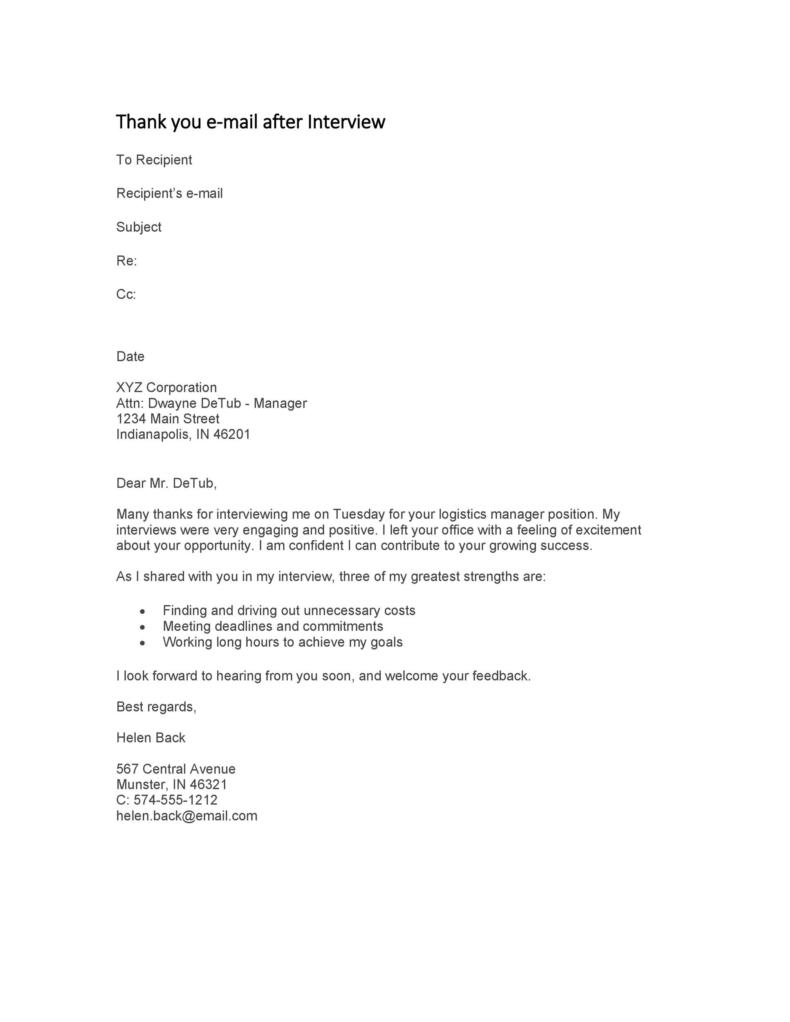
In today’s fast-moving hiring landscape (2025), a well-crafted post-interview thank-you email can be as decisive as your interview itself. It reinforces your fit, demonstrates professional etiquette, and keeps you top of mind for recruiters who juggle multiple candidates. This guide, written from a recruitment perspective, distills practical steps, real-world tips, and ready-to-use templates to help you respond to an interview thank-you email effectively. You’ll learn how to tailor your message, highlight key moments from your discussion, and set the stage for the next steps—without overdoing it.
- Timeliness matters. Send your reply within 24 hours when possible.
- Be concise and purposeful. Three short paragraphs are often enough.
- Tailor the message to the recipient. Whether a recruiter or a panel member, reference specifics from your conversation.
- Show genuine appreciation. A sincere thank-you creates goodwill and rapport.
- Offer value or clarification. If you want to add a missed point or provide additional information, do it briefly.
| Key Point | Why it matters | Concrete example |
|---|---|---|
| Timeliness | Signals enthusiasm and organization. | Send within 24 hours after the interview. |
| Conciseness | Respects busy hiring managers’ time. | 3 crisp paragraphs focusing on value and next steps. |
| Personalization | Reinforces connection and fit. | Mention a topic you discussed (e.g., a product, project, or milestone). |
| Value add | Addresses any gaps and demonstrates proactive thinking. | Offer a link to a relevant resource or a brief idea you didn’t fully cover. |
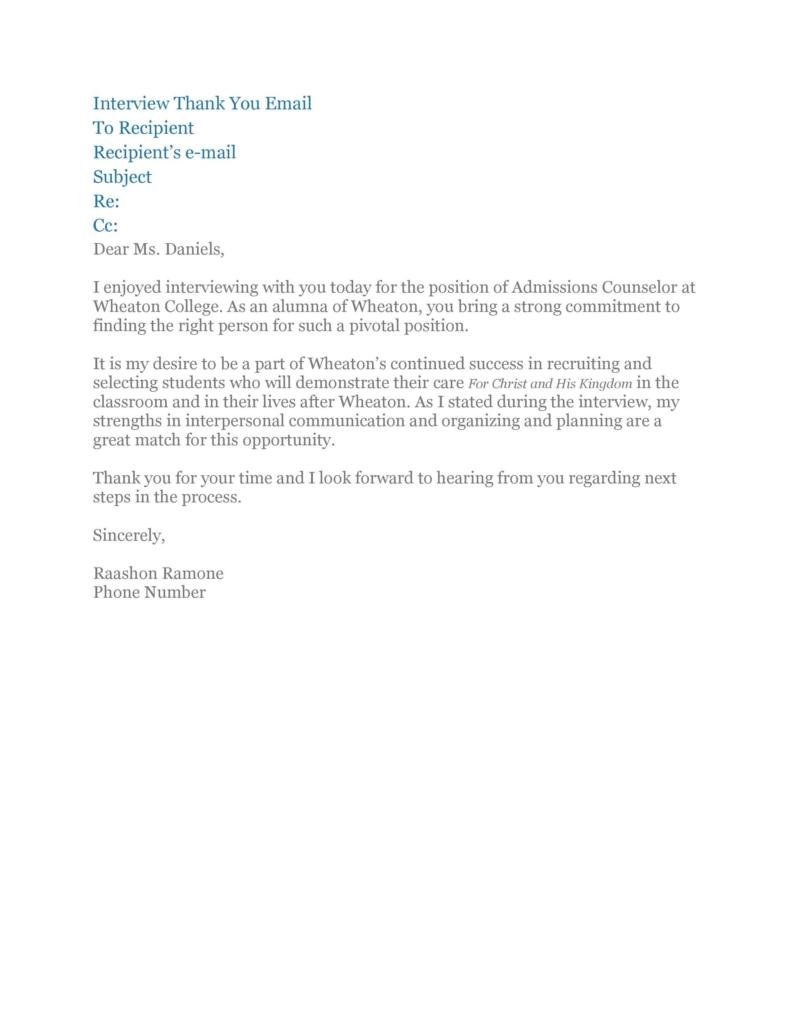
Effective email response starts with a clear subject line and a warm, professional tone. To help you navigate this, the following sections provide practical steps, ready-to-use templates, and evidence-based approaches you can adapt to your situation. For deeper dives on grounded etiquette and drafting best practices, see related posts such as interview dos and don’ts and dos and don’ts for successful hiring processes.
How to respond to an interview thank you email effectively: core principles
- Acknowledge the time and opportunity. Express gratitude for the conversation and the chance to learn about the role.
- Reiterate fit with concrete references. Tie a couple of points from the interview to your skills and goals.
- Clarify or add value. If you wished you’d highlighted something, briefly add a thoughtful reflection or data point.
- Set expectations for next steps. Politely indicate your interest and willingness to provide anything else needed.
| Aspect | Best practice | Example text |
|---|---|---|
| Opening | Thank the interviewer and mention the discussion. | “Thank you for meeting with me yesterday to discuss the Senior Marketing Manager role.” |
| Body | Highlight two strengths aligned with the role. | “Our conversation about leading cross-functional campaigns confirmed how my experience with data-driven storytelling can drive your Q3 growth goals.” |
| Closing | Invite further questions and indicate readiness. | “Please let me know if you’d like any additional information. I’m excited to move forward.” |
To reinforce credibility and trust, consider citing a recent achievement or metric relevant to the job. This aligns with YMYL expectations by demonstrating factual, discipline-specific value. For further guidance on how to structure your message, explore resources that cover describing leadership effectively and pre-screening questions to hire the best candidates.
What to avoid in your reply
- Avoid pressure or implying you expect an immediate decision.
- Avoid overly casual language or slang.
- Avoid repeating the interview verbatim—summarize instead.
| Common Pitfall | Why to avoid | Fix |
|---|---|---|
| Pressure for a decision | May appear impatient | Use a neutral closing like “I look forward to next steps.” |
| Extreme casual tone | Undermines professionalism | Keep phrasing formal but warm. |
| Copy-paste content | Feels insincere | Personalize with a specific moment from the interview. |
Templates and samples you can tailor quickly
Starting from scratch can be time-consuming. Use these templates as a foundation, then customize to your interview specifics. The goal is to be concise, specific, and forward-looking. If you’re thanking a recruiter who sourced you, tailor accordingly; if you’re addressing a panel, reference distinct elements from your discussion with different members.
- Subject line ideas: “Thank you for the opportunity — [Role]”; “Appreciation for our discussion on [Date]”; “Following up on our interview for [Role]”
- Short email example:
“Thank you so much for speaking with me today about the [Role] at [Company]. I enjoyed learning about [specific topic], and I’m excited about the opportunity to contribute to [team/goal]. Please let me know if you need any additional information.” - Specific follow-up example:
“I appreciated our discussion about [project/initiative]. I’ve attached a brief outline of how I would approach [challenge], which I mentioned during the interview. Looking forward to next steps.” - Post-interview addition:
“Since our chat, I’ve thought more about [idea]. If useful, I can share a one-page plan showing how it could impact [metric] over the next quarter.”
| Element | Recommended Text | Notes |
|---|---|---|
| Opening | Thank the interviewer; mention role and date | Keep it personal but professional |
| Body | Connect interview content to your strengths | Include one concrete example |
| Closing | Proactive but not pushy | Offer to provide more info |
Dos and don’ts: avoid common missteps
- Do tailor each message to the recipient and refer to specific conversation points.
- Do not over-elaborate or embellish your achievements.
- Do keep the message one page or less (three short paragraphs).
- Do consider multi-channel follow-up (email plus LinkedIn message) if appropriate.
- Do not wait too long—timing matters for impression and momentum.
| Do | Don’t | Why |
|---|---|---|
| Personalize with specifics | Copy-paste template | Shows engagement |
| Keep it concise | Lengthy narrative | Respects time and readability |
| Offer next steps | Remain passive | Demonstrates initiative |
For broader guidance on professional email etiquette and post-interview communication, consult related resources such as pre-screening questions to hire the best candidates and how recruiters find the best candidates.
Practical steps and timelines you can adopt now
- Step 1: Draft your email within the first 12–24 hours after the interview.
- Step 2: Personalize the message with at least one reference to a topic from your conversation.
- Step 3: Include any promised materials or clarifications briefly.
- Step 4: End with a clear call to action and appreciation.
- Step 5: Send a follow-up note on LinkedIn if appropriate, especially for recruiters who engage there.
| Timeline | Action | Outcome |
|---|---|---|
| 0–12 hours | Initial note with thanks and a reference | Momentum preserved |
| 24–48 hours | Send supplemental information (if requested) | Increased clarity |
| 3–5 days | LinkedIn message (optional) | Broader visibility |
These practices align with the best-practice insights on interview thank-you email responses and post-interview communication. For additional examples and templates, review articles such as How to write a thank-you letter after an interview and sample thank-you letter after interview to impress recruiters.
Subject line and tone examples to copy or adapt
- “Thank you for the opportunity — [Role] at [Company]”
- “Great speaking with you today about the [Role] role”
- “Appreciate your time and next steps for [Role]”
- SubjectLine: “Thank you for the opportunity — Senior Analyst”
- Body snippet: “I enjoyed our discussion on [topic] and I’m confident I can contribute to [goal].”
- Closing: “Looking forward to next steps.”
For more on effective email response strategies and professional email etiquette, explore these references: describe a leader effectively and dos and don’ts for job interviews.
Disclosure: this article was produced with AI assistance and fact-checked against the cited sources.