

In today’s competitive landscape, excelling in job interviews is about more than listing credentials. It’s about presenting a professional image, exuding confidence, and showing a genuine alignment with the role and the company’s needs. This guide distills practical do’s and don’ts for 2025, blending research, preparation, and communication skills to help you stand out. You’ll find actionable steps, real-world examples, and resources to refine every aspect of your interview — from first impression to thoughtful follow-up.
En bref — Job Interviews Dos and Don’ts: Key Takeaways for 2025
- Do thorough research on the company, its mission, and its challenges to tailor your responses and demonstrate genuine interest.
- Do prepare concise, structured answers using the STAR framework to highlight impact and outcomes.
- Do dress appropriately and maintain professional grooming that matches the company culture.
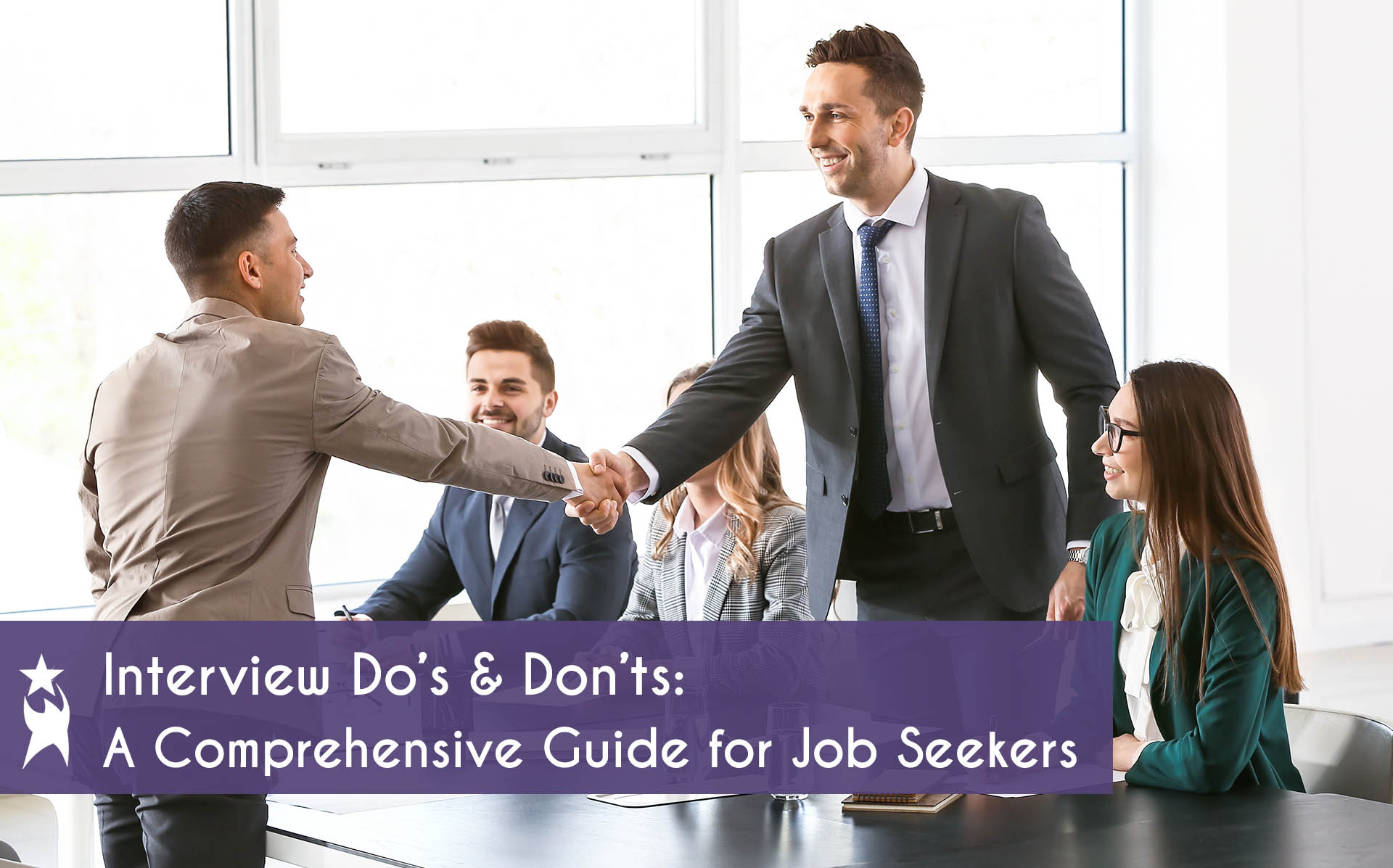
- Do manage nonverbal cues — posture, eye contact, and a confident handshake shape perception.
- Do arrive on time and align your energy with the interviewer’s style to build rapport.
- Do follow up with a personalized thank-you note and reiterate your interest and fit.
Job Interviews: The Dos and Don’ts — Everything You Need to Know for 2025
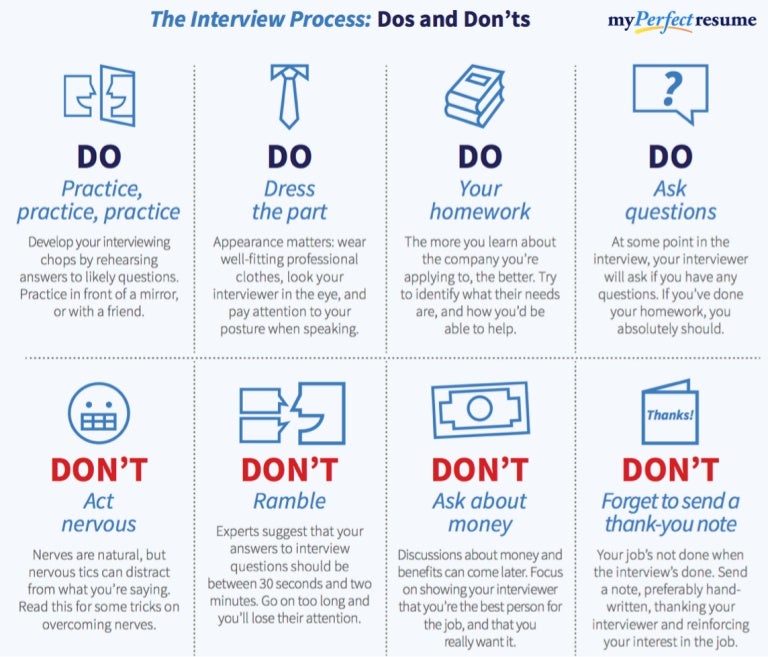
Preparation for an interview goes beyond listing skills; it’s about showing professionalism, confidence, and a clear fit for the role. The right dos include thorough company research, crisp responses, and timely follow-up, while the don’ts focus on avoiding rambling, interruptions, and overconfidence. This section outlines the essential dos and don’ts to help you leave a lasting, positive impression—whether you’re a seasoned pro or entering the job market for the first time.
- Do your research on the company — understand the mission, values, recent projects, and industry standing. Tailor your answers to align with their goals and demonstrate you’re seeking a true fit, not just any job. Understanding hedge fund NYC jobs provides context on how specialized roles operate in high-stakes environments.
- Don’t ramble — organize your thoughts before speaking and present a concise narrative. For structured responses, use the STAR method to describe Situation, Task, Action, and Result. Watch for an example in dos and don’ts job interview tips for a successful hiring process.
- Do dress appropriately — research the company culture and choose attire that conveys professionalism without clashing with norms (formal for law, business casual for many tech environments).
- Don’t overlook nonverbal communication — maintain open body language, use a natural handshake, and avoid closed postures like crossed arms. These cues significantly affect the impression you create.
- Do arrive on time — aim to be 10-15 minutes early to account for delays and to settle your nerves. For virtual interviews, test your tech in advance to prevent last-minute issues.
- Do tailor your questions — asking insightful questions shows you’ve done your homework and are evaluating fit as much as the employer is evaluating you. Consider questions about team dynamics, priorities, and growth opportunities.
- Do follow up — send a thoughtful thank-you note within 24 hours, referencing specific topics from the conversation to reinforce your candidacy.
| Do | Why it matters | Tips |
|---|---|---|
| Research the company | Shows genuine interest and helps tailor answers to address their needs. | Read the mission, values, recent projects, and industry press. |
| Prepare concise answers | Keeps the interview focused and memorable. | Use STAR; practice 60-second responses for core questions. |
| Dress appropriately | First impressions matter; attire signals professionalism. | Match the company’s dress code; ensure grooming is neat. |
| Watch nonverbal cues | Communicates confidence and engagement beyond words. | Maintain open posture, eye contact, and natural gestures. |
| Be punctual | Demonstrates reliability and respect for the interviewer’s time. | Plan travel and tech checks; log in early for virtual interviews. |
| Follow up | Keeps you top of mind and reinforces interest. | Reference specifics from the conversation; express eagerness. |
Watch a contemporary overview of interview strategies and common pitfalls to avoid, including how to frame your experiences for impact.
Dress, Delivery, and Dynamics: Practical Guidelines
- Choose attire that aligns with the company culture while remaining professional.
- Prepare a calm, confident delivery with a steady pace and measured pauses.
- Sync your energy with the interviewer’s tone to build rapport without losing authenticity.
| Aspect | Best Practice | Common Pitfall |
|---|---|---|
| Energy alignment | Match pace and warmth to the interviewer. | Being overly formal or too casual for the context. |
| Where to sit | Choose a posture that signals engagement (upright, open). | Leaning back or closed body language during key questions. |
| Question quality | Ask thoughtful, role-related questions. | Questions that can be answered by reading the company site. |
For further reading on specialized career paths and how to approach them, explore resources such as Understanding hedge fund NYC jobs and Jobs in hedge funds — what to expect and how to get started. These perspectives can help you tailor your interview narrative for finance roles, including financial analyst jobs in NYC — what you need to know in 2025 and related positions.
Need broader guidance? Check how job recruiters find the best candidates effectively for insights into the hiring process and how to align your profile with what recruiters look for. You can also explore hedge fund jobs in NYC — what you need to know for industry-specific expectations.
Interview Preparation Essentials: From Research to Follow-Up
Effective interview preparation blends strategic research, structured storytelling, and confident delivery. It’s about identifying the problems the employer wants solved in the first year and mapping your strengths to those needs. The steps below translate theory into practice, with concrete actions you can implement in advance of your next interview.
- Do a pre-interview company analysis, including recent launches and market position—to tailor your narrative.
- Don’t isolate your resume from the conversation; weave it into answers with specific outcomes and metrics.
- Do practice concrete examples that demonstrate impact, using numbers where possible.
- Don’t rely on generic phrases; replace them with precise competencies and results.
- Do prepare insightful questions about team dynamics, goals, and success criteria.
- Don’t forget the follow-up: a crisp thank-you note that references a detail from the interview.
| Aspect | Recommended Approach | What to Avoid |
|---|---|---|
| Company research | Identify what the employer needs and craft examples around those needs. | General, unfocused statements that do not address the company’s context. |
| Storytelling | Use the STAR framework to communicate real impact. | Vague anecdotes without measurable outcomes. |
| Follow-up | Personalize the thank-you note with specifics from the discussion. | Generic messages that could apply to any interview. |
Consider the broader landscape by reviewing industry-focused resources such as Exploring job opportunities with Hays Canada and Financial analyst jobs in New York — what you need to know in 2025 to understand market expectations and how to position yourself accordingly.
Additionally, it’s valuable to recognize the role of reliable job-hunting networks. For guidance on finding reputable sources in your vicinity, see How to find reliable job hunters near me for your career needs.
In all cases, remember that interview preparation is not about memorizing lines but about presenting a cohesive story of how your skills address the employer’s needs. This approach aligns with the broader principles of dos and ts: job interview tips for a successful hiring process and demonstrates your readiness to contribute meaningfully from day one.
To deepen your understanding of how to present yourself with confidence, explore practical tips on hedge fund job considerations and related interview-ready strategies.
Disclosure: this article was produced with AI assistance and fact-checked against the cited sources.