
En bref
- Sending a thank you letter after an interview is a key element of professional communication and can positively influence the candidate impression.
- Time matters: aim to send your note within 24 hours to reinforce momentum in the hiring process.
- Personalization beats generic messages—reference specific topics or insights from the interview.
- Use a concise structure and a respectful tone to align with good job interview etiquette.
- Leverage templates and examples for different scenarios while keeping your voice authentic.
The post-interview follow-up letter is more than courtesy; it is a strategic touchpoint that can shape a hiring decision. In today’s competitive market, hiring managers appreciate clear evidence of thoughtful listening, alignment with team goals, and a proactive approach to next steps. This guide helps you craft a compelling thank you email or post-interview message that reinforces your strengths, addresses small gaps, and sustains your visibility without appearing pushy. By combining practical steps, templates, and real-world examples, you’ll navigate different interview formats—from panel to virtual—with confidence. Whether you’re aiming for a first-round impression or a second interview, the right tone and structure ensure your communication contributes positively to the overall career advice you’re building after each conversation.
Watch practical guidance in these two videos to complement the tips in this article.
For a quick overview of effective follow-up messaging, these examples illustrate how to tailor your note to different interview scenarios.
Crafting a professional thank-you letter after an interview: best practices for 2025
Why sending a thank-you letter after an interview matters for your career
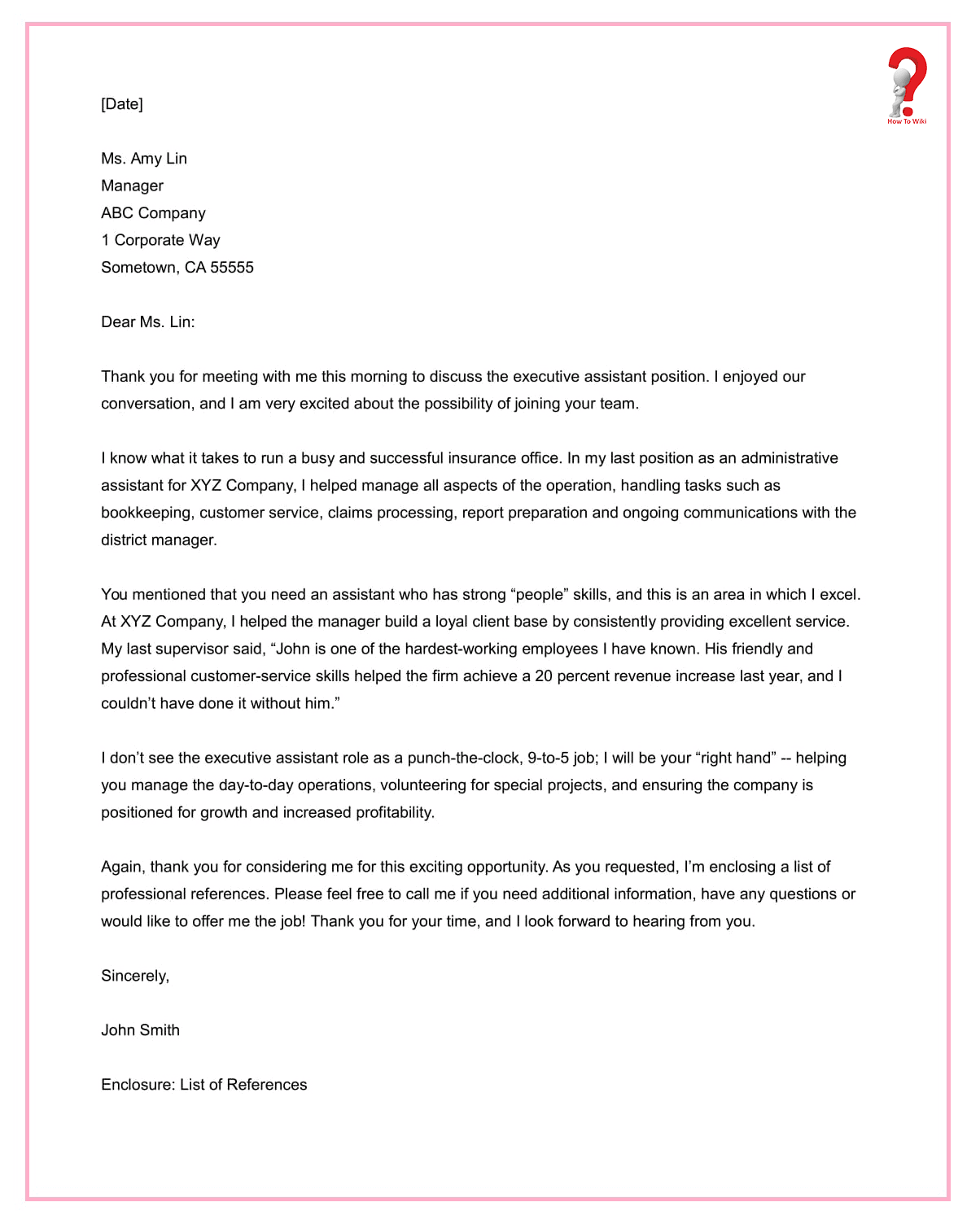
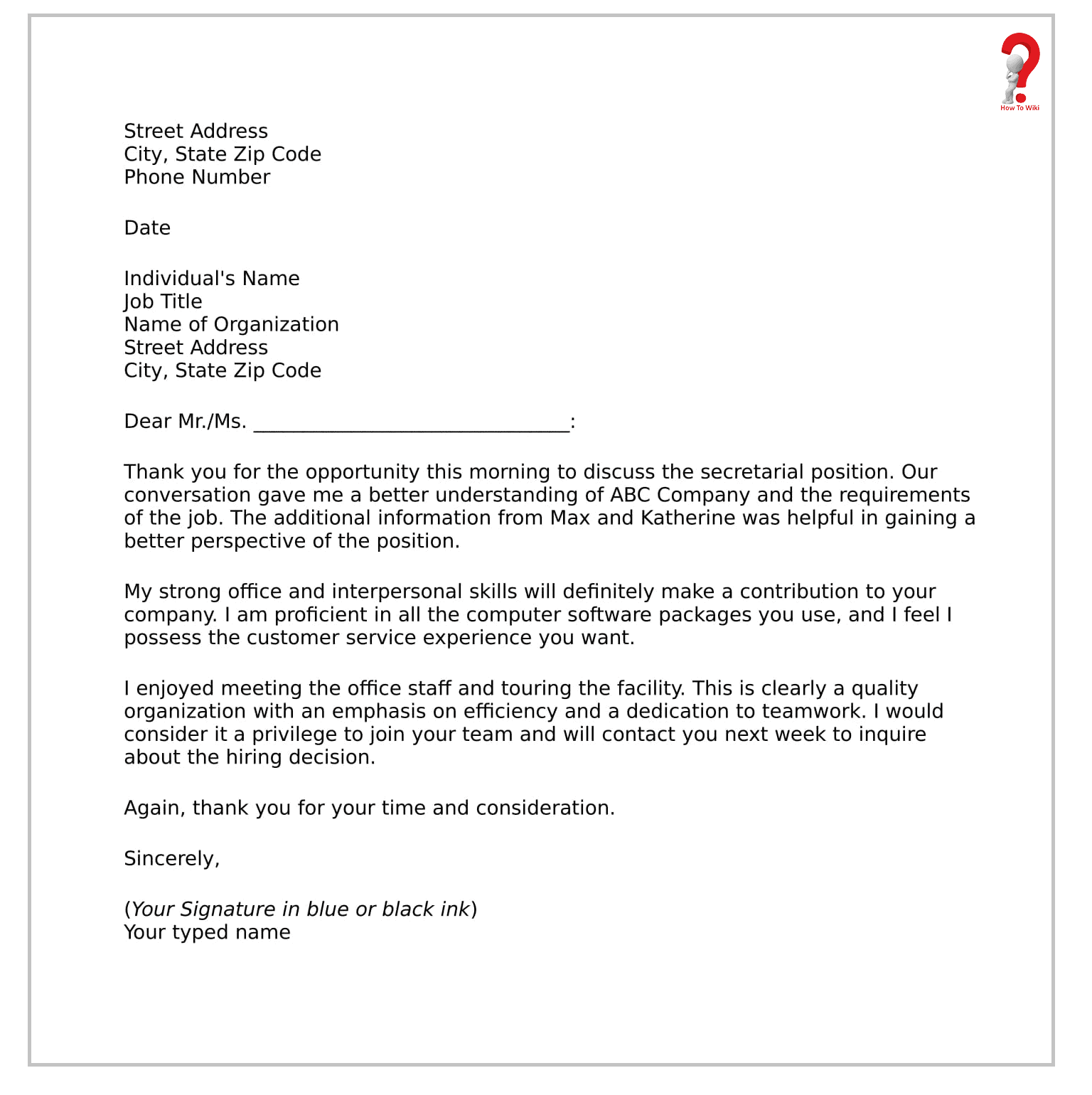
The act of thanking interviewers reinforces professional communication and demonstrates career commitment beyond the initial conversation. A well-crafted note can address minor missteps, restate your value, and reaffirm your interest in the role. Creating a deliberate, personalized message helps you stand out amid a pool of strong candidates and keeps your name at the forefront of decision-makers’ minds. For inspiration, explore established templates and adapt them to your context, noting how effective letters balance warmth with professionalism. To deepen your understanding, you can consult resources like Sample thank-you letter after interview and learn best practices in dos and don’ts: job interview tips for a successful hiring process. If you’re considering how to transition after the interview, you might also find guidance on giving notice professionally useful as you map your next steps.
- Reinforces professional communication and leaves a positive lasting impression on the recruiter.
- Shows you listened, reflected, and can articulate your fit with concrete examples.
- Provides a second, low-pressure channel to address any gaps or questions from the interview.
- Signals proactive engagement and respect for the interviewer’s time.
- Sets the stage for the next steps in the hiring process.
How to craft a standout post-interview message: step-by-step
- Collect notes from the interview, including key projects or topics discussed.
- Choose a concise format: short note for a phone interview or a slightly longer message for a panel or second interview.
- Craft a clear subject line that references the role and your appreciation (e.g., “Thank you – [Your Name]”).
- Open with gratitude and a personalized reference to a topic or insight from the conversation.
- Reiterate your interest and briefly highlight how your skills align with the team’s goals.
- Offer to provide additional information or clarify any points, and end with a professional signature.
Templates and examples by scenario
Below are templates you can adapt for different interview formats. They combine practical structure with authentic language, and you’ll find a quick reference table to help you choose the right approach. For deeper templates, consider the examples linked in this guide, such as sample thank-you letter after interview.
| Scenario | Subject line | Key elements |
|---|---|---|
| General interview | Thank you – [Your Name] | Gratitude, recap of fit, call to action |
| Panel interview | Appreciation for panel discussion | Personal reference to topics covered, appreciation to all interviewers |
| Second interview | Thank you for the second opportunity | Deeper alignment with team goals, next-step readiness |
| Virtual interview | Thank you for the virtual meeting | Engagement, clarity, and remote-work fit |
| Phone interview | Thanks for the phone interview | Availability, follow-up actions, quick recap |
| Informational interview | Thank you for your insights | Networking, industry context, next steps |
Notes to customize your message for each scenario:
- Keep sentences short and actionable; avoid over-elaboration.
- Use concrete examples from the interview to illustrate your fit.
- For panel interviews, acknowledge each interviewer when appropriate.
- Close with a specific offer to provide further information or to discuss next steps.
For further inspiration, check the related articles and templates linked above, including resources illustrating sample letters and practical tips on interview etiquette.
| Tip category | What it changes | Example phrasing |
|---|---|---|
| Personalization | Boosts memorability and demonstrates listening | “I appreciated learning about your approach to X project.” |
| Brevity | Respect for interviewer time and clarity | “I’m excited about the opportunity to contribute to Y.” |
| CTA | Clarifies next steps and keeps the process moving | “Please let me know if you need any additional information.” |
Additional resources on professional communication and career advice, including notice considerations and interview tips, can help you refine your approach to every stage of the hiring journey. Remember, the thank you letter you send after an interview is not a one-off gesture; it’s a strategic component of your ongoing career advice strategy and your ability to project confidence and professionalism in writing.
In short, your post-interview message should convey appreciation, clarity, and readiness to contribute. It is a small but powerful instrument in shaping how the hiring team perceives you and your potential fit with the organization.
Disclosure: this article was produced with AI assistance and fact-checked against the cited sources.