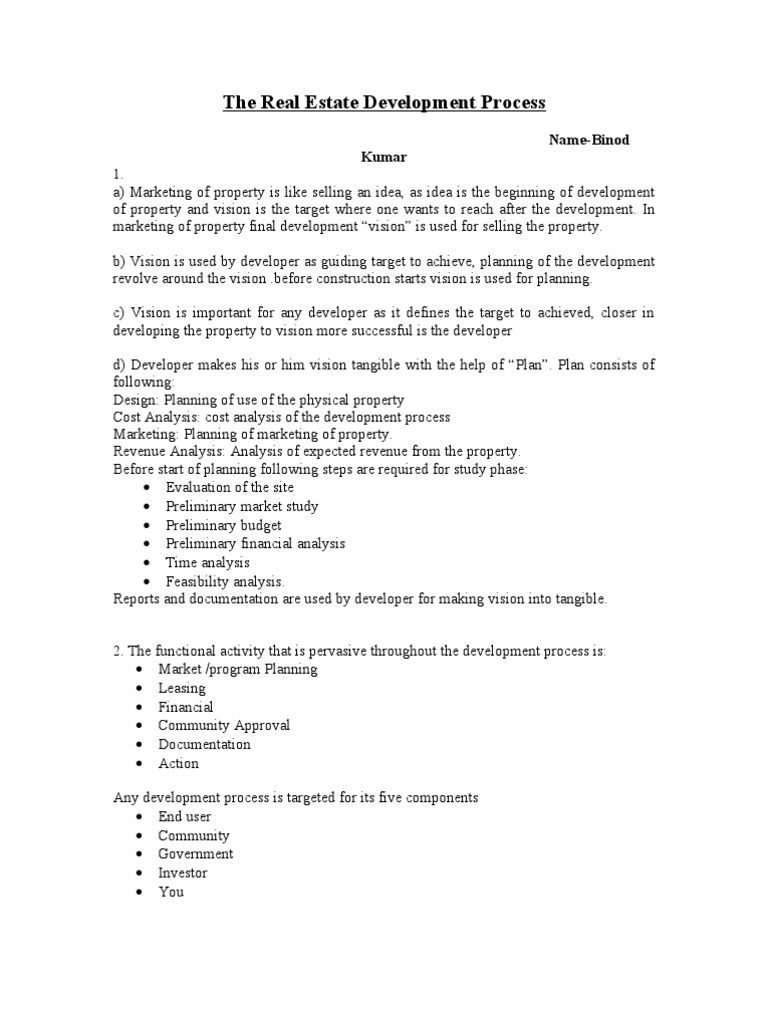


The field of Real Estate Development unfolds as a methodical journey from idea to asset management. This guide outlines a Step by Step approach, detailing seven interconnected phases that transform raw land or existing properties into vibrant, well‑planned spaces. Each stage relies on rigorous analysis, robust financing, precise design, and disciplined execution, while staying aligned with regulatory standards and market realities. Whether you’re a developer, investor, or stakeholder, understanding this lifecycle equips you to anticipate risks, seize opportunities, and deliver lasting value to communities.
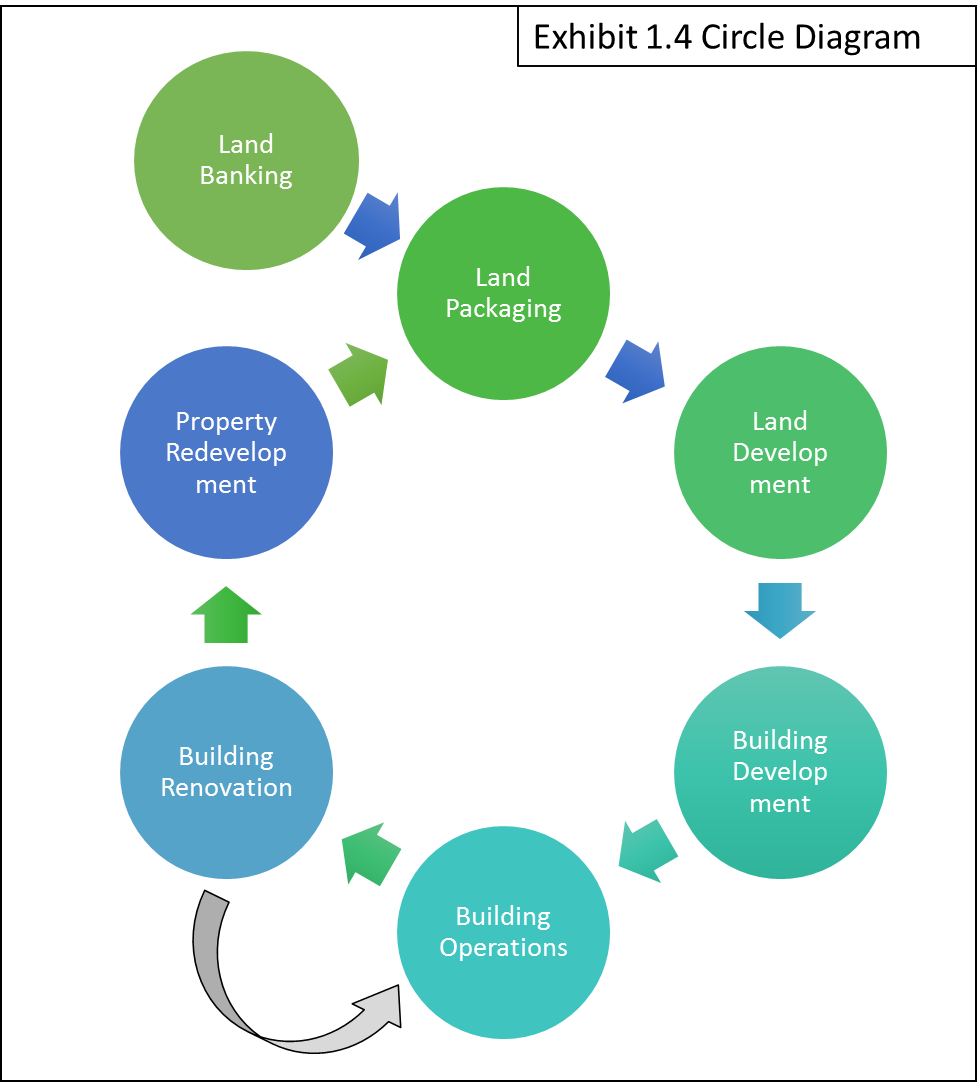
In brief, the lifecycle begins with a rigorous Feasibility Study and Site Analysis to gauge viability, followed by securing Project Financing. The design and planning phase translates concept into executable plans, after which Pre-Construction sets the groundwork for construction. The Construction phase delivers the built asset, which is then marketed and leased or sold. Finally, Property Management ensures ongoing performance and long‑term value. Each step builds on the previous, demanding collaboration across disciplines, clear governance, and proactive risk management.
En bref
- Feasibility Study and Site Analysis anchor the project’s viability and location fit.
- Capital strategies combine Types of finance with disciplined risk management to secure funding.
- Design and Planning translate vision into permitted, buildable plans with sustainable goals.
- Pre-Construction lays the procurement, permitting, and risk framework for smooth execution.
- Construction Management oversees schedule, quality, and safety to protect budget and timeline.
Feasibility Studies and Site Analysis: Assessing Real Estate Development Potential
The initial phase asks: Is the project financially viable, and does the site support the intended use? A thorough Feasibility Study integrates market signals, regulatory constraints, and financial dynamics to answer this question. It also frames contingency plans for potential cost overruns or delays.
Key components include a Market Analysis to gauge demand and pricing, a Site Analysis that considers size, access, and infrastructure, and Financial Projections with metrics such as Net Present Value (NPV) and Internal Rate of Return (IRR).
- Market Analysis: demand, competition, and price trajectories.
- Site Analysis: land characteristics, access, utilities, and environmental factors.
- Financial Projections: cost estimates, revenue forecasts, and profitability metrics.
| Phase Element | Focus | Typical Duration | Core Deliverables |
|---|---|---|---|
| Feasibility Assessment | Viability, location fit, constraints | 4–12 weeks | Feasibility Report, initial financial model |
Financing: Securing the Capital
Once viability is confirmed, securing capital becomes the central task. Real estate development often requires substantial funds, drawn from a mix of sources up front. A well‑structured plan demonstrates the project scope, cost baseline, and expected returns to attract lenders and investors.
Common sources include Equity Financing from developers or private investors, Debt Financing from banks or financial institutions, and Public‑Private Partnerships (PPPs) that blend public support with private expertise. A robust Financing Plan also anticipates contingencies for material costs, interest rate shifts, or schedule slippage. For broader context on capital categories, see Types of finance.
Macro market trends can influence financing conditions; for instance, shifting demand in growth regions can impact equity appetite and loan terms. In this vein, exploring macro patterns like Texas relocation trends can inform where to pursue new opportunities (Texas relocation trends in 2025).
- Equity Financing: capital from sponsors or investors.
- Debt Financing: loans with repayment terms and interest considerations.
- Public‑Private Partnerships: cooperative investment with government entities.
- Risk Mitigation: robust scenarios and reserve planning.
| Funding Source | Advantages | Risks | Typical Documents |
|---|---|---|---|
| Equity | Higher control, upside | Capital risk, dilution | Business Plan, pro forma |
| Debt | Leverage, tax benefits | Interest risk, covenants | Credit proposal, schedules |
Design and Planning: Shaping the Vision
With funding in hand, design and planning convert ideas into buildable plans and compliance-ready documents. Architects, engineers, and planners collaborate to create conceptual designs, secure land use approvals, and develop detailed blueprints. Sustainability increasingly influences decisions, with energy efficiency, green certifications, and biophilic design becoming standard expectations.
Key steps include conceptual design, securing zoning changes or permits, and producing detailed technical drawings that address structural, mechanical, electrical, and environmental factors. This phase sets the stage for construction, ensuring the project aligns with market needs and regulatory requirements. For governance and legal considerations, understanding the relevant legal frameworks is useful (Understanding the different areas of law).
- Conceptual Design: early visualizations and 3D renderings.
- Land Use Approvals: zoning and permitting coordination.
- Detailed Blueprints: technical specifications and compliance checks.
- Sustainability Goals: certifications and energy strategies.
| Design Focus | Activities | Duration | Key Outputs |
|---|---|---|---|
| Conceptual Design | Massing, layout, massing studies | 6–12 weeks | Preliminary plans, renderings |
| Permitting | Zoning, permits, environmental reviews | 8–20 weeks | Approved plans, compliance letters |
Pre-Construction: Preparing the Groundwork
Before any shovel turns, the project requires careful pre‑construction work. This includes securing all necessary permits, conducting site preparation, and selecting reliable general contractors and subcontractors through bidding processes. A proactive risk assessment builds contingencies for potential weather events, supply chain disruptions, or design changes.
Effective pre‑construction reduces uncertainty during construction and helps protect the budget and schedule. For broader legal considerations, see the guidance on various areas of law and their importance (Understanding the different areas of law).
- Permitting and regulatory compliance
- Site preparation and temporary utilities
- Contractor selection and procurement
- Risk assessment and contingency planning
| Pre-Construction Focus | Key Tasks | Duration | Deliverables |
|---|---|---|---|
| Permits | Code compliance, approvals | 4–12 weeks | Permit packages |
| Contractor Prep | Bidding, prequalification | 2–6 weeks | Contractor agreements |
Construction: Bringing the Vision to Life
The construction phase is the centerpiece of Real Estate Development, translating designs into a built asset. Project management coordinates timelines, budgets, and crews; quality control ensures adherence to codes and design specs; and safety programs protect workers and surrounding communities. Delays can arise from weather, material shortages, or coordination gaps, making strong communication and adaptive scheduling essential.
Labor and procurement considerations often intersect with market conditions. For context on workforce trends in 2025, see Project manager salary in Miami 2025, which highlights how staffing costs influence project economics. Additionally, regulatory compliance remains a persistent focus, underscoring the value of early legal coordination (Fields of law explained).
- Project Management: schedule, budget, and coordination
- Quality Control: inspections and defect prevention
- Safety Protocols: OSHA and local standards
- Change Management: handling design changes and RFIs
| Construction Phase | Primary Focus | Typical Duration | Key Outputs |
|---|---|---|---|
| Site Mobilization | Setup and logistics | 2–6 weeks | Site offices, permits, schedules |
| Core Construction | Building, systems install | 12–36 months | Progress milestones, QA reports |
Marketing and Leasing/Sales: Generating Revenue
As construction nears completion, marketing and leasing strategies become central to recovering investments and realizing returns. Effective branding, digital campaigns, virtual tours, and broker networks help attract anchor tenants and buyers. For commercial or mixed‑use projects, securing flagship tenants can attract additional retailers and experiences for the broader community.
Strategic partnerships with industry professionals, including legal and financial experts, support compliant leasing and sales processes. For broader legal context, refer to resources on law areas and their importance (Understanding the different areas of law).
- Branding and Positioning: differentiating the asset
- Digital Campaigns: online tours, social media, and lead capture
- Tenant/Buyer Outreach: open houses, broker networks, and showings
- Anchor Tenants Strategy: prioritizing lineup to attract others
| Marketing/Leasing Focus | Activities | Duration | Key Deliverables |
|---|---|---|---|
| Marketing Plan | Positioning, channels, messaging | 4–12 weeks | Brand assets, media plan |
| Leasing/Sales | Tenant or buyer outreach, negotiations | 8–24 weeks | Signed leases, LOIs |
Property Management: Ensuring Long-Term Success
Once occupancy begins, long‑term asset performance hinges on professional Property Management—tenant relations, maintenance, and financial stewardship. Effective property management sustains value, optimizes operating expenses, and protects the asset through market cycles. Proactive maintenance programs and clear operating procedures help preserve asset condition and tenant satisfaction.
Strong governance and data‑driven oversight support capital preservation and growth. For broader career and financial context in the industry, see the article on Exploring career opportunities in banking and finance and Fields of law explained.
- Tenant Relations: leases, rent collection, and issue resolution
- Maintenance and Operations: preventive care and repairs
- Financial Oversight: budgeting and performance reporting
- Strategic Upgrades: value-enhancing investments
| Management Focus | Key Activities | Ongoing Duration | Deliverables |
|---|---|---|---|
| Operations | Rent collection, service requests | Ongoing | Operating reports |
| Asset Performance | Capital planning, lifecycle management | Ongoing | Capex approvals, ROI analyses |
Disclosure: this article was produced with AI assistance and fact-checked against the cited sources.