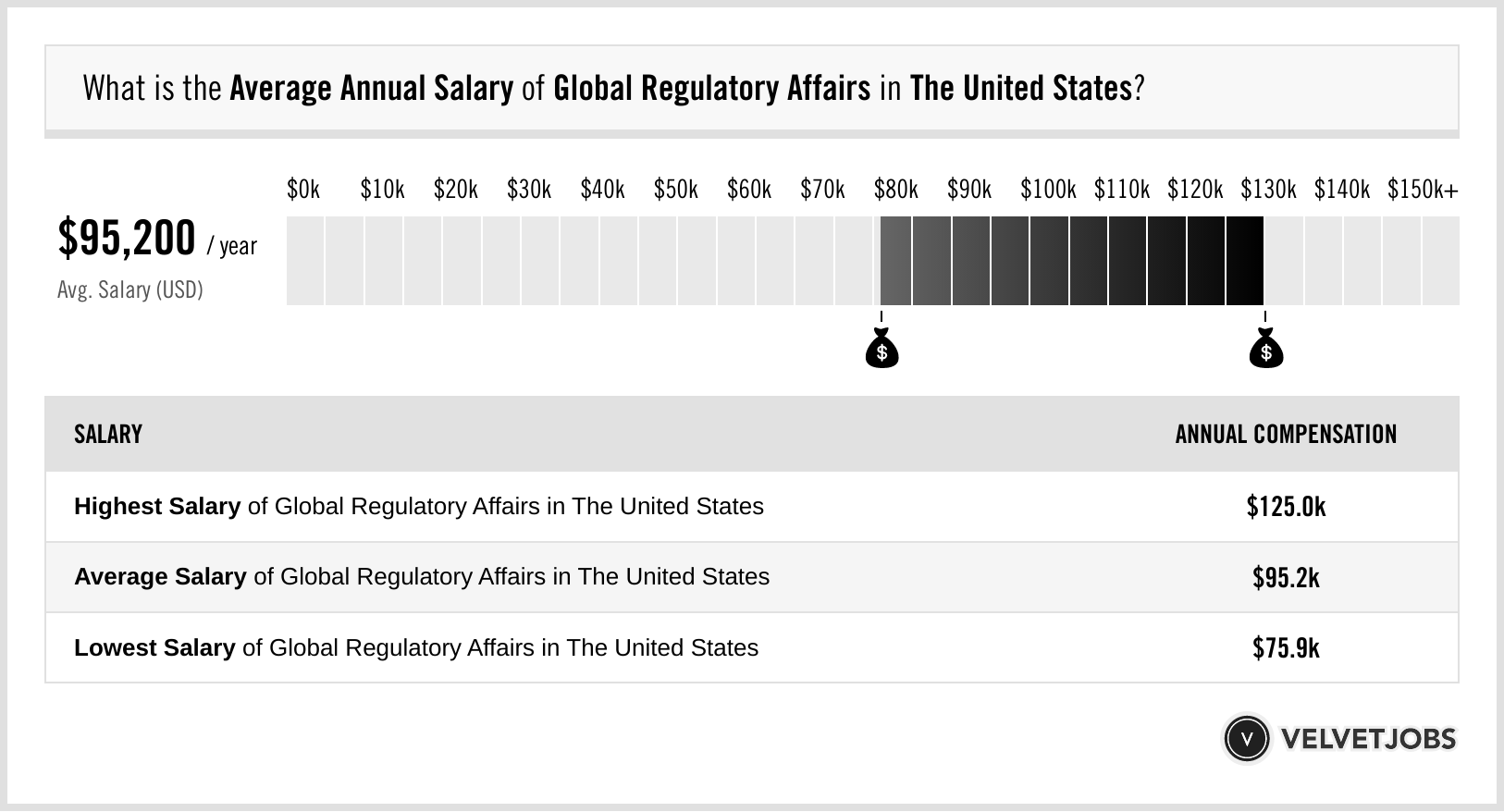
In 2025, the regulatory affairs field is evolving under the dual pressures of rising market demand in the pharmaceutical industry and a broader push for compensation transparency. As biotech and pharma companies push forward on new therapies, regulatory professionals are increasingly central to getting products to market quickly while maintaining compliance. This dynamic is reshaping salary trends and career growth opportunities across regions, with notable shifts in how compensation is structured and disclosed. For candidates, understanding the market demand and the salary forecast is essential to navigate offers and negotiate effectively. For employers, aligning pay with value, while embracing transparency, becomes a strategic differentiator in a competitive job market. This article distills 2025 insights—from pay transparency developments to regional variations in the pharma and biotechnology sectors—to help you plan your next career move or talent strategy with confidence.
- En bref: 2025 accelerates RA hiring in pharma/biotech as product pipelines grow.
- Transparency laws push salary ranges into job postings and internal promotions.
- Salary ranges vary by region, role, and seniority, with rising demand for senior regulatory experts.
- AI and automation are expected to reshape workflows, with implications for career growth and training needs.
- Preparation and proactive equity audits can give employers a competitive edge in the talent market.
Regulatory affairs salary trends 2025: market demand, compensation, and career growth
The 2025 landscape for regulatory affairs professionals reflects stronger demand in the pharmaceutical industry and biotechnology, with salary expectations adjusting to competition for experienced talent. The rise of AI-assisted regulatory processes is expected to boost productivity while prompting upskilling, which in turn influences compensation bands. For candidates, this year presents opportunities to target high-growth areas—especially roles that blend regulatory strategy with data analytics and pharmacovigilance. For employers, offering transparent ranges and clear career ladders helps attract qualified applicants in a tightening job market.
- Senior roles (Manager/Director) show elevated salary bands due to broader responsibility and regulatory complexity.
- Remote and hybrid work options are increasingly common, but compensation remains aligned with local market norms.
- Competition for specialized RA talent drives more explicit career paths and skill investments.
- Internal equity audits are becoming standard to support upfront pay transparency in postings.
| Role | Typical 2025 Salary Range (USD) | Market Demand Indicator | Remote Work Availability | Notes |
|---|---|---|---|---|
| Regulatory Affairs Specialist | 70,000 – 95,000 | High | Moderate | Strong foundation role with path to senior levels |
| Regulatory Affairs Manager | 110,000 – 145,000 | Very High | High | Cross-functional leadership and submissions ownership |
| Senior Regulatory Affairs Director | 150,000 – 210,000 | Exceptional | Moderate | Strategic oversight, complex submissions, internal consulting |
| Regulatory Affairs Scientist/Lead | 95,000 – 130,000 | High | Limited | Technical specialists with cross-functional exposure |
Key drivers behind 2025 salary movements
Several forces shape the salary forecast for RA roles this year. First, the regulatory affairs function remains critical to bringing innovative therapies to market, especially in pharmaceutical industry and biotechnology environments. Second, pay transparency laws and state-level disclosures are altering how salaries are presented to candidates, pushing brands to justify budgeted ranges. Third, rising living costs and talent scarcity in niche RA specializations encourage higher compensation for senior practitioners. Finally, widespread adoption of AI tools and automated review processes changes the skill mix, rewarding those who can blend regulatory expertise with data-driven decision making.

How to translate market data into practical career moves? Focus on building skills that align with regulatory strategy, submission planning, and data interpretation. Consider certs in FDA/EMA processes, pharmacovigilance, and risk-based assessment to boost both value and leverage in negotiations.
Regulatory affairs compensation and pay transparency: navigating the 2025 compliance landscape
2025 marks a turning point in compensation disclosure. Across several states and municipalities, laws require more than posting a salary range—they demand meaningful transparency, broader descriptions of benefits, and practices that support employee mobility and retention. For employers, this means integrating salary ranges directly into job postings and establishing defensible pay philosophies. For candidates, the trend translates into clearer expectations and faster alignment during negotiations. The evolving landscape also encourages a stronger link between career growth plans and compensation planning, especially as market demand for RA expertise remains robust in the pharmaceutical industry.
- Delaware (Effective 2027) requires pay ranges in postings for employers with 25+ employees and protections for discussing wages.
- Massachusetts mandates pay range disclosure for postings and offers to internal candidates considering promotions or transfers.
- New Jersey extends disclosure to postings and adds proactive promotion notification to existing staff.
- Illinois extends pay scale disclosure and benefits descriptions to positions physically performed in Illinois or supervised from Illinois.
- Vermont and Minnesota push wage range transparency for broad employer segments, with varying thresholds.
| State / Locality | Key Requirement | Effective / Enactment | Impact on RA Roles |
|---|---|---|---|
| Delaware | Post pay ranges; discuss benefits; protect wage discussions | Effective 2027 | Requires internal equity checks and explicit posting standards |
| Massachusetts | Pay range disclosure to external postings and internal promotions | 2025 | Forces clear compensation philosophies across RA teams |
| New Jersey | Posting ranges; proactive promotion announcements | 2025 | Enhances transparency in internal mobility strategies |
| Illinois | Pay scales and benefits in postings; extraterritorial reach | 2025 | Impacts multistate employers and distributed RA teams |
| Vermont | Good-faith wage range disclosures in ads | 2025 | Encourages upfront alignment of expectations for RA roles |
For managers and talent leaders, the 2025 compliance environment underscores the value of proactive salary forecast modeling and regular pay equity audits. It also emphasizes the importance of communicating clear career pathways within the pharmaceutical industry and biotechnology segments to attract and retain top talent in a tightening job market.
- Implement internal pay equity audits to resolve disparities before disclosure requirements take effect.
- Develop transparent career ladders that tie skill growth to compensation bands.
- Invest in training that combines regulatory science with data analytics for RA teams.
Further insights and practical guidance can be explored through dedicated coverage on industry compliance trends and RA career planning resources.
Read more on the evolving landscape of regulatory affairs, salary trends, and compliance best practices through curated reading and expert analyses linked below.
Explore compliance jobs in New York for 2025
Explore compliance jobs in New York for 2025
Explore compliance jobs in New York for 2025
Explore compliance jobs in New York for 2025
Explore compliance jobs in New York for 2025
Impact of pay transparency on hiring strategies in 2025
With the 2025 compliance landscape maturing, salary ranges are becoming a baseline expectation for candidates. This shift influences how employers structure offers, negotiate, and communicate total compensation packages. For RA teams, aligning compensation with market data supports recruiting speed and reduces offer fallouts. For job seekers, transparent ranges shorten the negotiation window and provide a clearer path to career growth within the pharmaceutical industry and biotechnology sectors.
- Companies adopting proactive compensation communication report higher offer acceptance rates.
- Clear pathways to promotion and compensation adjustments help retain senior RA staff.
- Connecting training investments to salary progression strengthens employer branding in a competitive market.
For those seeking additional depth on the NY compliance market and related roles, the linked article offers current perspectives on the 2025 market.
- Understand regional requirements and tailor postings accordingly.
- Prepare a defensible compensation philosophy aligned to role seniority.
- Offer robust development plans that tie learning to salary progression.
In practice, RA professionals who stay ahead of these shifts—by pursuing targeted certifications, embracing data-driven decision making, and negotiating with transparent benchmarks—position themselves for favorable outcomes in a dynamic job market.
Explore compliance jobs in New York for 2025
Explore compliance jobs in New York for 2025
Explore compliance jobs in New York for 2025
Explore compliance jobs in New York for 2025
Explore compliance jobs in New York for 2025
Important note: The content above references the 2025 compliance developments described in the provided materials, including state and local pay transparency rules. Always consult with a legal or HR advisor for jurisdiction-specific guidance and to tailor practices to your organization’s size and geography.
Disclosure: this article was produced with AI assistance and fact-checked against the cited sources.