Executive summary
Hiring teams face a torrent of applications for each role. A well-structured screening test process helps separate job applicants who truly fit the role from those who do not, saving time and improving overall talent acquisition quality. By using a blend of pre-employment tests, structured screening criteria, and fair evaluation methods, organizations can strengthen their recruitment importance and move candidates through the process more confidently.
In brief, this guide explains what a screening test is, why it matters in 2025, and how to implement a robust employment screening flow. You’ll learn how to balance speed and accuracy, reduce bias, and choose the right tools to assess job suitability. Practical examples, checklists, and best practices help you build a repeatable system that consistently identifies top performers early in the hiring process.




- What a screening test means for job applicants and the hiring process
- How to use candidate evaluation methods without bias
- Practical steps to design pre-employment tests that predict future success
- Key metrics to measure recruitment importance and impact
What is a screening test for job applicants? Defining the screening test meaning
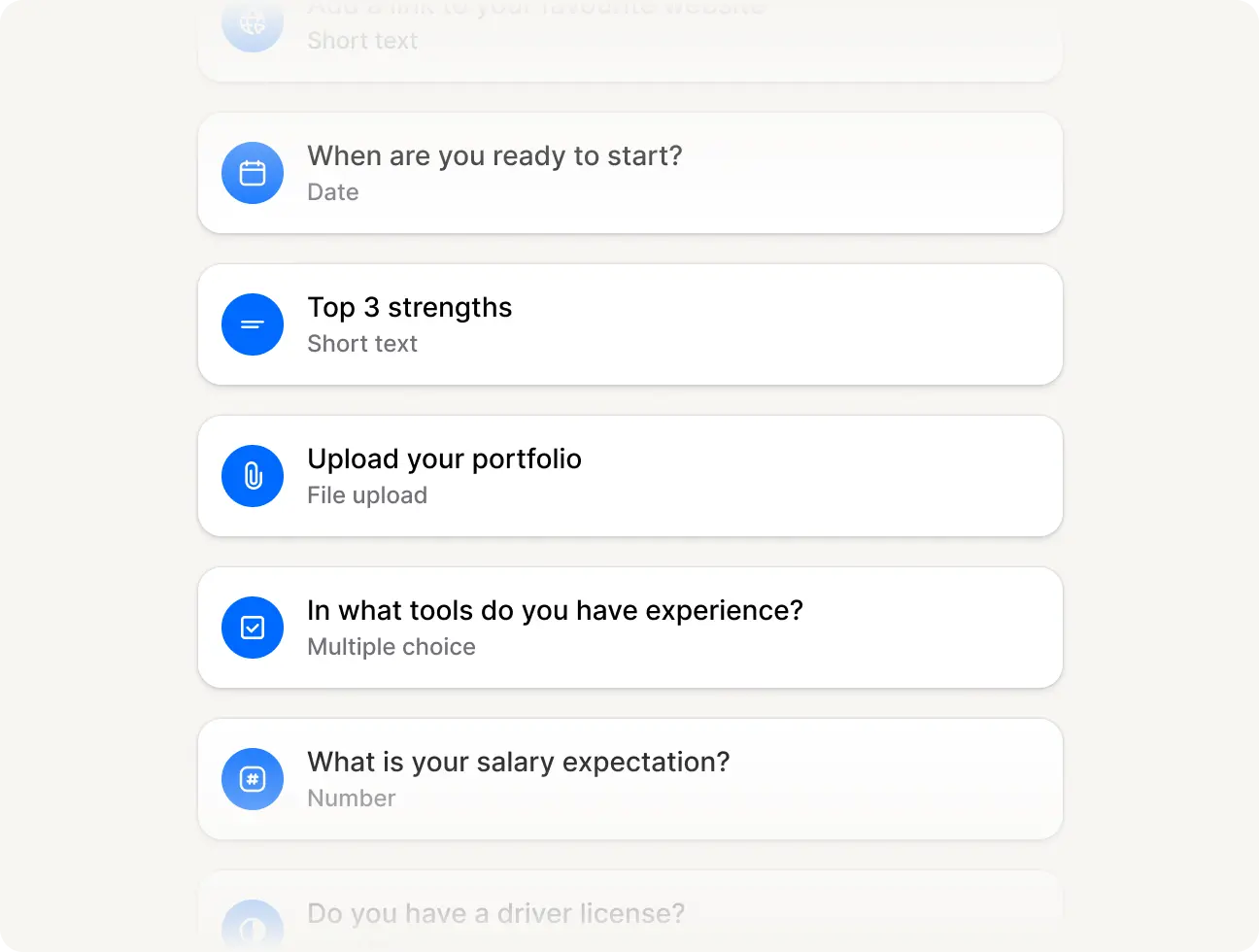
A screening test for a job is a pre-employment assessment used during the early stages of the recruitment process to evaluate whether job applicants have the necessary skills, experience, and cultural fit. It goes beyond the résumé to reveal candidate evaluation through practical tasks, simulations, or structured questions. In practice, screening can include brief telephone screens, online assessments, and short assignments designed to predict on-the-job performance.
Why this step matters now: as competition for skilled labor intensifies, employers rely on employment screening tools to quickly identify candidates who are most likely to succeed. Recent trends show a growing emphasis on skills-based hiring, with many teams using tests to reduce mis-hires and speed up the hiring process.
| Step in screening | What it assesses | Typical tools |
|---|---|---|
| Review applications | Must-have skills, education, and experience | Resume screening, ATS keywords |
| Initial screening | Availability, communication, fit | Phone screen, short questionnaire |
| Skills and job-fit tests | Demonstrated ability to perform job tasks | Situational tasks, coding challenges, case studies |
| Shortlisting | Best matches based on criteria | Structured scorecards, comparison rubrics |
For a practical, real-world approach, see how recruiters describe the screening flow and its impact on time-to-offer. The goal is to move from broad applicant pools to a focused set of job suitability candidates who can thrive in your environment. The emphasis on a data-driven approach helps guarantee consistency and fairness across all applicants.

Watch: How to design effective screening tests
Why recruitment screening matters for hiring success in 2025
Effective screening reduces rushed decisions and costly mis-hires. By applying a structured, reproducible recruitment importance framework, your team can apply the same standards to every candidate, increasing fairness and reducing bias. Blind screening techniques—where personal details are temporarily removed—keep the focus on talent acquisition candidates’ abilities and potential rather than demographics.
Beyond fairness, a robust screening flow accelerates the journey from application to offer. A well-supported process can cut interview time by identifying clearly unsuitable applicants early, enabling interviewers to concentrate on the strongest fits. This leads to faster hires and improved retention because new hires are more likely to be aligned with the role and team culture.
| Benefits | Impact on hiring | Related metrics |
|---|---|---|
| Time-to-hire reduction | Faster identification of top candidates | Average days to offer |
| Quality of hire | Better job fit and performance | First-year retention, performance ratings |
| Fairness and bias reduction | More consistent decisions | Interview-to-offer variance, candidate satisfaction |
To dive deeper into practical strategies and recent market insights, explore related articles such as Understanding the Role of a Temping Agency in Today’s Job Market and Careers at Hays and How to Find the Right Job. For a broader view on how recruiters source the best candidates, see How Job Recruiters Find the Best Candidates Effectively. The findings reinforce that a structured approach to screening underpins successful talent acquisition outcomes.
Watch: Screening in modern hiring environments
The recruitment screening process: A step-by-step guide
Adopting a clear, repeatable screening process helps hiring teams stay aligned and reduces the risk of bias. Below is a practical sequence you can adapt to your organization. The process emphasizes comparing applicants using objective criteria and making decisions based on demonstrated ability.
- Review applications and identify must-have qualifications
- Conduct an initial screening to confirm basic fit
- Administer skills assessments and work samples
- Shortlist candidates using a standardized scoring system
- Move top candidates to structured interviews
- Perform background checks and verification as needed
| Screening stage | Actionable outcomes | Tools and tips |
|---|---|---|
| Application review | Identify must-have skills and red flags | ATS filters, predefined checklists |
| Initial screening | Confirm basic information and intent | Phone screen scripts, brief questionnaires |
| Assessments | Evidence of capability and job suitability | Situational tasks, work samples, culture-fit questions |
| Shortlisting | Top matches for interviews | Score sheets, bias checks |
| Interview stage | Deeper verification of fit and potential | Structured interview guides |
How to implement with confidence? Start with a pilot using a small cohort of roles and gather data on time-to-hire, quality of hires, and candidate experience. For a broader view of screening methods, see the articles linked above and explore additional insights on recruitment best practices.
Watch: Building a robust screening workflow
Screening methods used by recruiters: Choosing the right mix
Recruiters combine several methods to create a comprehensive picture of a candidate’s potential. Each method has its strengths, and a balanced mix reduces bias while maintaining efficiency. Common approaches include resume screening, skills assessments, phone/video screening, AI-assisted culture-fit checks, and background verifications. The objective is candidate assessment grounded in evidence rather than impressions.
- Resume and profile screening to identify alignment with job requirements
- Skills assessments to measure actual capabilities
- Phone or video screening to gauge communication and intent
- AI-based screening support to enhance consistency and scale
- Background and verification checks as needed for risk management
| Screening method | What it reveals | Notes |
|---|---|---|
| Resume screening | Initial fit and experience signals | Use blind screening to reduce bias |
| Skills assessments | Demonstrated ability on real tasks | Include practical, job-relevant tasks |
| Phone/Video screening | Communication style and alignment | Keep it structured and time-boxed |
| AI-based screening | Consistency in evaluation and culture-fit signals | Combine with human judgment |
| Background checks | Verification of education, work history | Follow legal and ethical guidelines |
For practical tactics and market context, refer to how temping agencies can help you find flexible job opportunities and how recruiting agencies in Dubai can help you find the perfect job.
Watch: AI and fairness in screening
Common screening mistakes (and fixes) for 2025
Even with strong teams, common pitfalls can undermine screening results. Addressing these issues early keeps the process fair and effective. The fixes below help ensure you don’t overlook qualified candidates or introduce bias into the evaluation.
- Overlooking qualified candidates due to overly strict must-have lists. Fix: prioritize outcomes and essential skills; be willing to consider strong equivalents.
- Relying only on resume keywords and missing candidates who describe their skills differently. Fix: mix quick checks with practical tasks and targeted questions.
- Unclear evaluation criteria leading to inconsistent ratings. Fix: use standardized score sheets and calibrate with the team.
- Underutilizing tools that speed up screening. Fix: adopt ATS features, automated filters, and structured rubrics.
- Ignoring culture fit in early screening. Fix: add culture-fit questions and collaborative exercises that reveal day-to-day behavior.
| Mistake | Consequence | Remedy |
|---|---|---|
| Strict must-have lists | Missed top talent | Focus on outcomes and core capabilities |
| Keyword-only screening | Bias toward form over function | Incorporate real-task assessments |
| Inconsistent scoring | Unreliable comparisons | Unified scorecards and calibration |
| Low tool adoption | Slower processes | Invest in user-friendly screening tools |
| Skipping culture fit | Higher turnover | Include situational questions about teamwork |
To ensure you’re aligned with best practices, it can be helpful to review ongoing market guidance from established sources and discuss with your HR peers. If you plan to reuse SHRM content, you should request permission from SHRM before redistribution as part of your recruitment importance guidance.
Practical implementation: a starter checklist for teams
Use this starter checklist to implement a practical screening framework within a few weeks. It’s designed to be adaptable across roles and industries while maintaining fairness and efficiency.
- Define must-have skills and clear outcomes for the role.
- Design 1–2 pre-employment tests that reflect real job tasks.
- Create a standardized scoring rubric and train interviewers on it.
- Implement blind screening for initial stages to reduce bias.
- Set up automated filters and reminders in your ATS for consistency.
- Review, calibrate, and iterate based on data from hires and drop-offs.
| Action | Owner | Timeline |
|---|---|---|
| Define must-haves | Hiring manager + recruiter | Day 1–3 |
| Build tests and rubrics | HR operations | Week 1–2 |
| Pilot and adjust | Talent acquisition lead | Week 3–4 |
For deeper insights into how hiring teams find top candidates, explore the article How Job Recruiters Find the Best Candidates Effectively and the related career guidance pieces: Exploring International Recruitment Opportunities for Global Talent and Gulf Job Consultants in Mumbai – 2025 List.
Watch: Essential interview questions for recruitment managers
Key links and further reading
To expand your understanding of screening, employment screening practices, and current market dynamics, consider these resources. They offer practical guidance on recruitment importance, candidate evaluation, and best practices for screening job applicants across sectors.
- Choosing the right recruitment agency for Dubai job seekers
- Temping agencies and flexible opportunities
- Recruiting agencies in Dubai and the perfect job
- Hedge fund jobs in NYC – what you need to know
- How job recruiters find the best candidates effectively
Note: If you plan to republish or redistribute SHRM content and materials, obtain explicit permission from SHRM before doing so. This ensures compliance with licensing and keeps your employer’s content compliant with industry standards.
Key takeaways from recruitment screening
- Screening test effectiveness hinges on clear outcomes and measurable criteria.
- A balanced mix of pre-employment tests and structured interviews improves candidate evaluation.
- Automating and standardizing screening reduces bias and speeds up the hiring process.
- Regular calibration and data review keep the process aligned with business needs and market trends.
Disclosure: this article was produced with AI assistance and fact-checked against the cited sources.