






En bref
- The recruitment landscape in 2025 is shaped by persistent talent shortages and a high reliance on digital channels.
- Social media adoption for recruitment has become mainstream, with the majority of companies actively sourcing online.
- Multi-channel candidate sourcing, from referrals to advanced search techniques, boosts the talent pool and reduces time-to-hire.
- Effective hiring requires rigorous candidate screening, structured interview techniques, and robust candidate assessment.
- Technology, including ATS and recruiter tools, accelerates every step of the hiring process while preserving candidate experience.
Finding the right people for the job is a two-way process: recruiters need access to the best talent, while job seekers need visibility into opportunities that match their skills and aspirations. In 2025, talent shortages remain a major challenge for many organizations, underscoring the importance of strategic candidate sourcing and disciplined hiring practices. Recruiters increasingly rely on data-driven approaches, combining online platforms, networking, and direct outreach with sophisticated screening methods to identify candidates who not only fit technically but also align with company culture and long-term goals. This guide walks you through proven recruitment strategies, practical screening techniques, and the tools that help hiring teams move fast without sacrificing quality. Above all, a transparent and respectful hiring process builds trust with candidates and strengthens your employer brand over time.
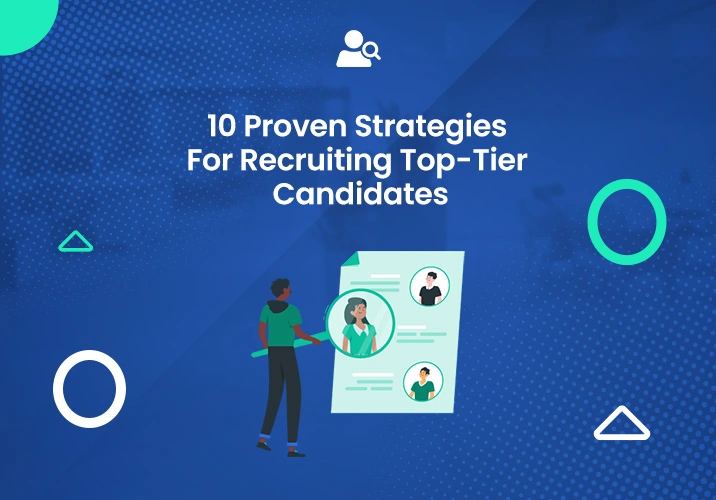
Optimizing Candidate Sourcing in 2025: Where to Find Top Talent
Candidate sourcing is the art and science of attracting qualified professionals from multiple channels. In 2025, the right mix includes online platforms, targeted outreach, and employee referrals, all coordinated through a capable ATS and recruiter tools. Social networks such as LinkedIn remain foundational, but expanding to niche communities, alumni networks, and strategic partnerships can unlock hard-to-find skills. For example, many teams blend proactive search with active job postings to reach both active and passive candidates. You can enhance your approach by refining search terms, using Boolean logic, and personalizing outreach messages to improve response rates. To stay competitive, organizations should map sourcing channels to the specific skills they need and measure outcomes to iterate quickly.
- LinkedIn and professional networks for active and passive candidates; optimize your profile to improve discoverability.
- Specialized job boards and niche communities to target skills in high-demand areas.
- Employee referrals to leverage cultural fit and reduce turnover.
- Alumni and partnerships with universities and training programs to pipeline early-career talent.
- Boolean searches and smart alerts to proactively identify potential fits in public data and databases.
| Channel | Strengths | Best Use |
|---|---|---|
| Massive reach, rich filtering, recruiter tools | Passive candidate sourcing, employer branding | |
| Job boards and ATS | Structured applications, resume databases | Active job seekers, standardized screening |
| Employee referrals | Higher quality hires, faster onboarding | Tech roles, senior positions, culturally-fit hires |
| Networking and events | In-person connections, real-time feedback | Early-stage talent, niche professions |
To deepen your sourcing capabilities, explore insights from reputable industry analyses, including Hays Spain’s insights into recruitment trends and how to find reliable job hunters near you. You can also read about how leading agencies operate in different regions, such as Hays USA’s leadership in recruitment and Hays PLC’s global recruitment services. For practical hiring methods, check how to hire good employees effectively, and tips to optimize your staffing strategy for 2025.
In this section, we explore how recruiters combine online platforms with direct outreach to expand the candidate pool while maintaining a positive candidate experience. The blend of recruiter tools, streamlined workflows, and thoughtful engagement strategies is essential for building a robust talent pipeline that sustains growth and reduces time-to-hire.
Effective Hiring: Screening, Interview Techniques, and Candidate Assessment
An effective hiring process hinges on rigorous candidate screening, well-structured interviews, and robust candidate assessment. Organizations that formalize screening criteria and align interview questions with job descriptions typically identify top performers faster and with less bias. In 2025, recruitment strategies that integrate pre-screening, behavioral interviewing, and skills assessments have proven to improve hiring quality while shortening cycle times. Emphasize transparency with candidates, explain the selection steps, and share feedback promptly to preserve your employer brand and encourage future applications.
- Candidate screening should prioritize core competencies, role-specific skills, and cultural fit.
- Interview techniques such as structured interviews, situational questions, and consistent scoring rubrics improve fairness and predictability.
- Candidate assessment includes practical tests, work samples, and validated assessments to corroborate claims.
- Hiring process transparency reduces drop-offs and enhances candidate experience.
- Recruiter tools and ATS automation help standardize steps from application to offer.
| Stage | Key Activities | Measurable Outcome |
|---|---|---|
| Pre-screening | Phone/Video screen, basic qualification checks | Shortlist ready for in-depth interviews |
| Interviewing | Structured questions, panel interviews | Consistency in scoring and better culture fit |
| Assessment | Skill tests, simulations, work samples | Evidence of capability and potential |
| Decision & Offer | Benchmarking, reference checks, compensation clarity | Confident hires with clear expectations |
For further guidance on conducting pre-screenings and interview questions, see pre-screening interview questions or explore targeted hiring strategies in family office contexts like family office recruitment strategies for 2025. If you’re evaluating specialized sectors, the hub for hedge fund roles in NYC offers relevant insights, including hiring considerations and role expectations at hedge fund jobs in NYC.
Beyond traditional interviews, integrating real-world assessments and transparent feedback loops helps ensure that selections reflect both capability and potential. A well-documented hiring process supports compliance and trust with candidates, while enabling recruiters to scale with the business.
Putting It All Together: A Practical Hiring Framework for 2025
To execute these strategies effectively, organizations should harmonize their sourcing, screening, and selection steps into a cohesive framework. Start by defining hiring goals aligned to business priorities, then map each role to specific sourcing channels and screening criteria. Use data to monitor time-to-fill, quality of hire, and candidate experience, adjusting tactics as needed. A strong framework leverages employer branding, structured processes, and continuous improvement—driving better outcomes with talent acquisition and recruitment strategies that stand up to changing markets.
- Employer branding to attract top talent and improve candidate experience.
- Structured hiring with standardized rubrics and clear decision criteria.
- Data-driven iterations to optimize channels and messaging.
- Compliance and transparency to protect both candidates and the business.
Explore additional perspectives on staffing optimization and global recruitment services through industry leaders, including how to optimize your staffing strategy for 2025 and a comprehensive guide to Hays PLC’s global recruitment services. Learn how experienced teams approach hiring good employees effectively and how to find reliable job hunters near you can expand your candidate pool.
For sector-specific insights and regional nuances, consider reading about regional recruitment practices like Spain’s recruitment trends and family office strategies to attract top talent. Additional context on company performance and market dynamics can be found in analyses about reliable job hunters near you and staffing strategy optimization.
Finally, a note on practical actions: always tailor outreach messages to the candidate’s skills and career goals, maintain a respectful cadence, and provide clear next steps. This approach reinforces trust and supports a sustainable hiring pipeline that sustains both effective hiring and long-term talent acquisition success.
How to hire good employees effectively •
Pre-screening interview questions •
Hays USA: leading recruitment agency •
Hays PLC global services •
Optimize your staffing strategy •
Hedge fund jobs in NYC