

In 2025, the financial system remains the backbone of the global economy, linking savers, borrowers, banks, insurers, and regulators. This article explains real-world examples of how the financial system operates and what it means for job seekers aiming to build a career in banking, investment, risk management, or policy. From definitions to case studies and hiring trends, you’ll gain practical insights to navigate opportunities in financial markets and related fields.
En bref
- The financial system comprises banks, markets, insurance, and regulatory bodies that move capital efficiently.
- Key career paths include banking, investment, financial markets, and risk/policy roles.
- Hiring trends in 2025 favor skilled analysts, recruiters with private equity know-how, and professionals who understand monetary policy impacts.
- Core skills to develop: data analysis, financial modeling, compliance, stakeholder communication, and industry-specific literacy.
- Explore practical paths through targeted roles and real-world case studies linked below.
Understanding the Financial System: Real-World Definitions and Roles
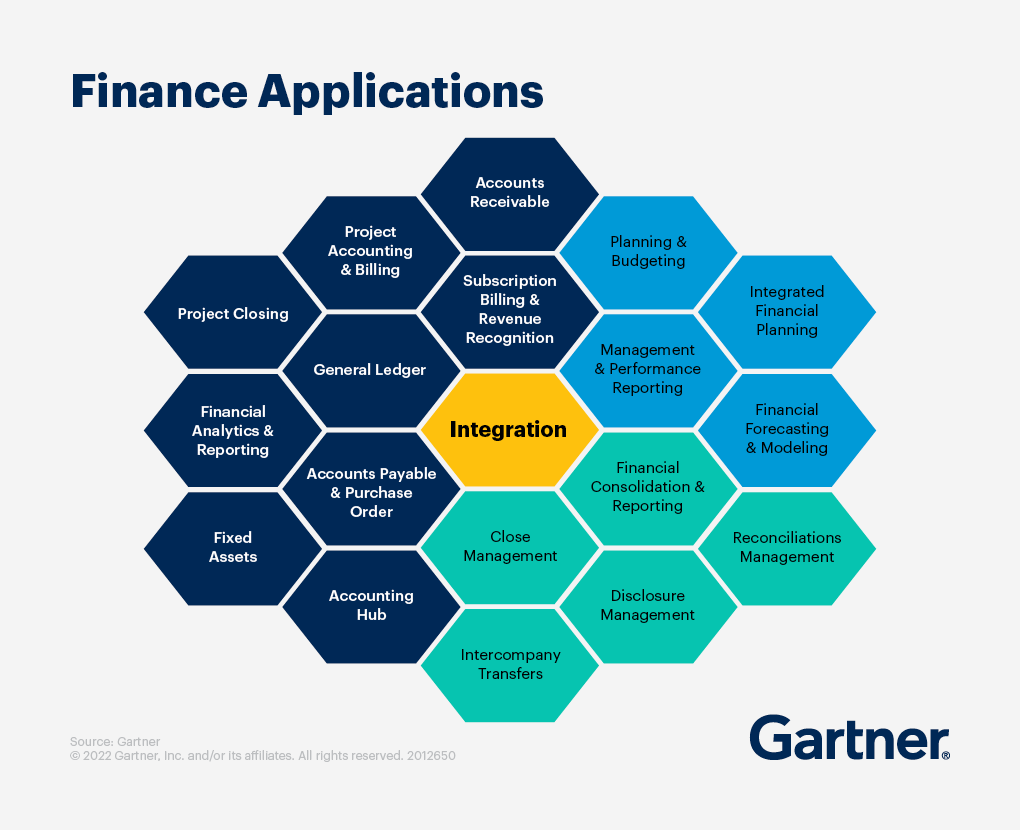
A financial system is a network of financial institutions—such as banks, insurance companies, stock exchanges, and investment banks—that collaborate to exchange and transfer capital across markets. This system enables investors to fund projects and, in return, earn a return on their investments. In practice, it supports the movement of money from savers to borrowers, channels funds into productive endeavors, and underpins credit, monetary policy, and risk management across economies.
- Central banks oversee liquidity, interest rates, and systemic stability—acting as lenders of last resort when needed.
- Markets connect lenders with borrowers through instruments like stocks and bonds, enabling capital formation.
- Insurance and risk management firms pool and price risk, ensuring resilience for individuals and organizations.
- Intermediaries, such as investment banks, mutual funds, and clearinghouses, facilitate transactions and settlement.
- Regulators—often governments or supranational bodies—maintain transparency, fair competition, and systemic safety.
| Component | Primary Role | Real-World Example |
|---|---|---|
| Central banks | Control monetary policy, provide liquidity, and oversee payment systems | Regulate inflation, set key rates, and act as lender of last resort |
| Commercial banks | Offer deposits, extend credit, and support everyday financial needs | Mortgages, small business loans, consumer credit |
| Insurance companies | Pool risk, provide protection, and manage long-term obligations | Life and health insurance, pension products |
| Stock exchanges | Provide platforms for trading equities and bonds, price discovery | Trading of corporate stocks and government bonds |
| Investment banks | Underwrite deals, advise on mergers, facilitate capital raising | IPO advisory, structured finance, asset securitization |
For professionals exploring paths in this ecosystem, consider reading about recruitment strategies in private equity recruitment strategies to understand talent pipelines. You can also explore the evolving Financial Analyst roles in NYC in 2025 to gauge market expectations for analysts. And if you’re assessing broader career options, see construction career opportunities in 2025 for transferable project-finance skills.
Video insights illustrate how credit and liquidity support day-to-day operations in financial markets, including the interplay between banks, markets, and regulators. This helps job seekers visualize where their skills fit best in banking, investment, or insurance roles.
Key Components and Interactions: Banks, Markets, and Regulation in Practice
Inside the financial system, a diverse set of stakeholders interact to allocate capital efficiently. Borrowers and lenders negotiate terms, while investors trade instruments that derive value from the performance of underlying assets. Regulation shapes what transactions are allowed and how risks are managed, ensuring that markets function fairly and transparently. In a real-world setting, these interactions influence everything from corporate borrowing to consumer lending and pension fund investing.
- Borrowers and lenders drive the demand and supply for capital, with credit availability shaping growth cycles.
- Investors participate across financial markets, including stocks and bonds, to build wealth and manage risk.
- Intermediaries streamline execution, settlement, and risk transfer, turning ideas into funded projects.
- Regulators ensure compliance and protect consumers, while monetary policy subtly guides liquidity conditions.
| Stakeholder | Role in Capital Allocation | Impact on Careers |
|---|---|---|
| Borrowers | Seek funds for growth, purchases, or operations | Demand for credit analysts, loan officers, and risk assessors |
| Lenders | Provide funds via loans or securities | Opportunities in credit risk, underwriting, and portfolio management |
| Investors | Channel capital into assets to earn returns | Roles in research, trading, and fund management |
| Regulators | Set rules and oversee market integrity | Policy analysis, compliance, and risk assessment careers |
Real-world links for further context on roles and career paths include a piece on NYC financial analyst expectations in 2025 and an overview of financial services company essentials. If you’re curious about how regulatory shaping affects practice, resume optimization for financial roles can boost your candidacy.
Real-World Applications Across Sectors: Case Studies and Career Implications
Across industries, the financial system enables real-world applications—from managing risk and pricing capital to funding infrastructure and driving innovation. These cases also illustrate practical career trajectories for candidates with different strengths, whether you’re drawn to analysis, strategy, or policy implementation.
- Private equity and investment banking leverage complex deal structures and due diligence to create value, highlighting the importance of financial modeling and market research. See insights on recruitment in private equity.
- Corporate finance within financial services firms requires clarity on liquidity, risk, and regulatory compliance—skills in demand for analyst roles in major markets.
- Public policy and central banking insights show how monetary policy affects interest rates, lending standards, and investor confidence—crucial for analysts and policy advisors alike.
- In energy and infrastructure, growth depends on financing models and risk assessment—an area where renewable energy careers in 2025 intersect with financial markets.
| Case Study | Sector | Key Learnings | Career Relevance |
|---|---|---|---|
| Private equity fund deployment | Private equity / investment | Rigorous due diligence, value creation plans, exit strategies | Analyst, associate, and portfolio manager pathways |
| Monetary policy impact on banks | Banking / macro policy | Liquidity management, interest rate forecasting, risk controls | Risk manager, policy analyst, treasury roles |
| Infrastructure financing for renewables | Project finance / energy | Structure finance, credits, and regulatory alignment | Finance analyst, project financier, investor relations |
These videos help connect theory to practice, illustrating how banking operations, stocks, and bonds markets function in day-to-day decision making. They’re useful for candidates evaluating where their interests align—whether in investment, risk management, or policy roles.
In practice, career growth within the financial system benefits from targeted learning and hands-on experience. For example, readers frequently explore recruitment insights for private equity and finance roles, as seen in this recruitment guide, as well as practical advice on applying to banks and financial firms from resume optimization resources.
Preparing for a Career in the Financial System: Skills, Roles, and Hiring Trends
The job market in 2025 rewards professionals who blend quantitative acumen with regulatory-savvy insight. Whether your focus is banking, investment, or insurance, building a solid foundation in financial modeling, risk assessment, and data literacy will pay off. Networking with firms across sectors—like private equity, family offices, and asset management—can open doors to roles that influence capital allocation and strategic outcomes.
- Develop strong skills in financial modeling, data analytics, and stakeholder communication.
- Gain familiarity with credit markets, monetary policy, and regulatory environments.
- Experience with financial statement analysis, due diligence, and deal execution is highly valued in NYC-based finance roles.
- Identify a career niche—banking, investment, or risk—and pursue targeted certifications or project work to demonstrate impact.
| Role | Key Skills | Why It’s In Demand | Pathways to Prepare |
|---|---|---|---|
| Financial analyst | Financial modeling, data analysis, reporting | Core backbone of corporate finance and investment decisions | Internships, certifications (CFA/CAIA), hands-on projects |
| Credit analyst | Risk assessment, credit risk modeling, scenario analysis | Credit markets drive consumer and corporate lending | Industry courses, practical case studies, banking internships |
| Portfolio analyst/manager | Asset valuation, diversification, performance monitoring | Demand across asset managers and pension funds | Portfolio simulations, certification, real-world research |
Further reading and opportunities include insights on recruitment in Luxembourg 2025 and family-office recruitment strategies to understand non-bank paths to capital management and advisory roles. For a broader view on industry shifts, explore regional tax appraisal and its impact on property investments.
Viewers can compare how insurance products, stocks, and bonds are priced and traded, which helps candidates articulate their fit for roles in risk, advisory, or policy teams.
Disclosure: this article was produced with AI assistance and fact-checked against the cited sources.