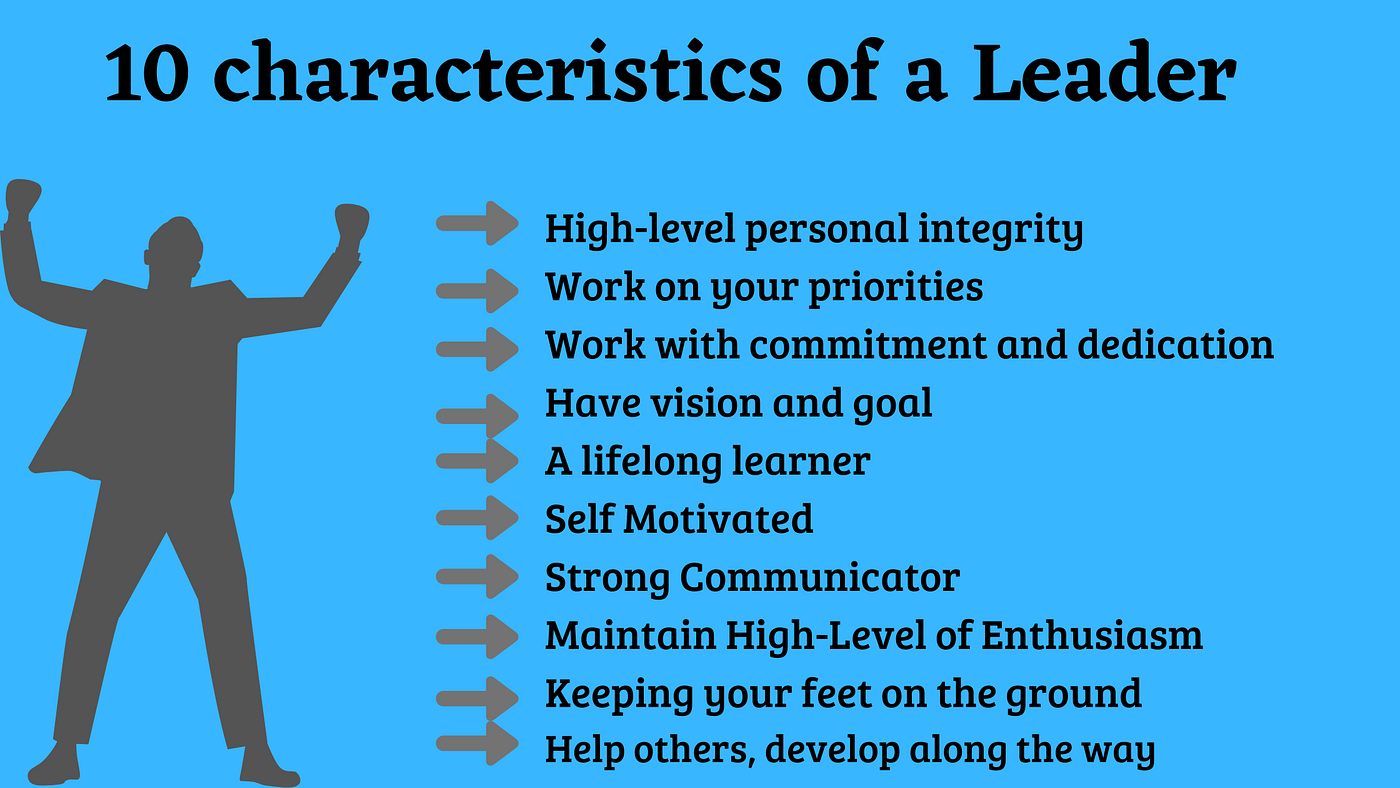
In 2025, leadership remains the decisive driver of team success, organizational resilience, and community impact. Great leaders blend a clear vision with authentic communication, unwavering integrity, and genuine empathy, guiding decisions with decision-making that is both principled and pragmatic. This article distills 12 essential leadership traits that consistently separate effective leaders from the rest, and it offers practical steps for job seekers and hiring managers to spot, grow, and measure these qualities in real-world settings. Drawing on decades of research and global case studies, the guide reflects how leadership has evolved in a dynamic, information-rich environment.




En bref: 12 leadership traits that drive effective leadership in 2025
- Self-Awareness Understanding your strengths, blind spots, and how others perceive you fuels authentic leadership and better decision-making.
- Respect Consistent respect reduces conflict and builds belonging, trust, and collaboration across teams.
- Compassion Acting on concerns after listening strengthens trust, lowers turnover, and boosts engagement.
- Vision A clear, purpose-driven direction aligns daily tasks with long-term goals, enhancing motivation.
- Communication Multimodal clarity—verbal, written, and storytelling—drives alignment and accountability.
- Learning Agility The capacity to learn quickly in unfamiliar contexts sustains growth and adaptability.
- Collaboration Cross-functional cooperation fuels innovation and robust, high-performing teams.
- Influence Persuading with authenticity and emotional intelligence mobilizes action without coercion.
- Integrity Consistent ethics and trustworthiness anchor organizational reputation and risk management.
- Courage Speaking up, taking calculated risks, and modeling psychological safety empower others to act.
- Gratitude Regular appreciation strengthens morale, loyalty, and long-term performance.
- Resilience Maintaining optimism and wellbeing under pressure sustains momentum and recovery.
What good leadership looks like in 2025: core qualities and actionable guidance
Effective leadership today hinges on a constellation of traits that reinforce one another. The combination of vision and communication with empathy and accountability creates teams that not only perform but thrive under pressure. Below is a structured overview of the 12 essential traits, followed by a practical table that maps each trait to concrete behaviors and outcomes.
| Trait | Definition | Impact on Leaders and Teams |
|---|---|---|
| Self-Awareness | Knowledge of one’s own strengths, weaknesses, and impact on others. | Improved decision-making, stronger coaching, and reduced blind spots. |
| Respect | Consistently valuing others’ perspectives and dignity. | Higher trust, reduced friction, increased collaboration. |
| Compassion | Actionable care for others’ needs and concerns. | Stronger retention, better teamwork, and open feedback loops. |
| Vision | Clear picture of the future and how today’s work connects to it. | Aligned effort, sustained inspiration, and purpose-driven work. |
| Communication | Effective information sharing, listening, and storytelling. | Better alignment, faster learning, and stronger influence. |
| Learning Agility | Ability to learn quickly and apply lessons in new contexts. | Adaptability under uncertainty and continuous improvement. |
| Collaboration | Working well across teams, functions, and cultures. | More innovation, higher engagement, and shared ownership. |
| Influence | Mobilizing others through trust, credibility, and empathy. | Enhanced buy-in, faster adoption of change, and collective progress. |
| Integrity | Consistency between words and actions; ethical behavior. | Long-term trust and risk-aware leadership. |
| Courage | Willingness to take principled stands and pursue tough decisions. | Psychological safety and a culture of candor. |
| Gratitude | Expressing appreciation for contributions and effort. | Higher morale and sustained performance. |
| Resilience | Recovering quickly from setbacks with poise. | Stable teams, continued progress, and wellbeing support. |
Three core truths underpin these traits. First, good leaders are made, not born; development comes through experience, study, and deliberate practice. Second, leadership is a social process; success relies on collective DAC—direction, alignment, and commitment—within teams. Third, leadership is a never-ending journey; ongoing learning and adaptation keep leaders relevant across evolving contexts. For ongoing growth, organizations should pair opportunities like coaching and mentoring with structured development plans. You can start now by downloading our action guide that visualizes these qualities and shows practical steps to apply them in your current role.
For a deeper dive into how these traits translate into practice, explore insights from credible sources such as What makes Hays USA a leading recruitment agency and What makes a successful leader effective. These analyses reinforce that leadership today centers on people, context, and accountability. Additional perspectives on insight-driven questioning and personal awareness can be found in What are insight questions and how to use them effectively and list of strengths and weaknesses explained for better self-awareness. For broader recruitment and leadership context, read A comprehensive guide to Hays PLC’s global recruitment services.
To illustrate practical application, consider a case where a leader integrates vision with collaboration and empathy to steer a cross-functional initiative. The approach hinges on transparent communication, frequent feedback loops, and courageous decision-making, ensuring teams feel safe to innovate and own outcomes. Learn more about how leaders create actionable impact in similar contexts via resources such as What makes good leaders effective and inspiring and Family office recruitment strategies for 2025.
Develop and nurture leadership qualities in 2025: practical actions for candidates and organizations
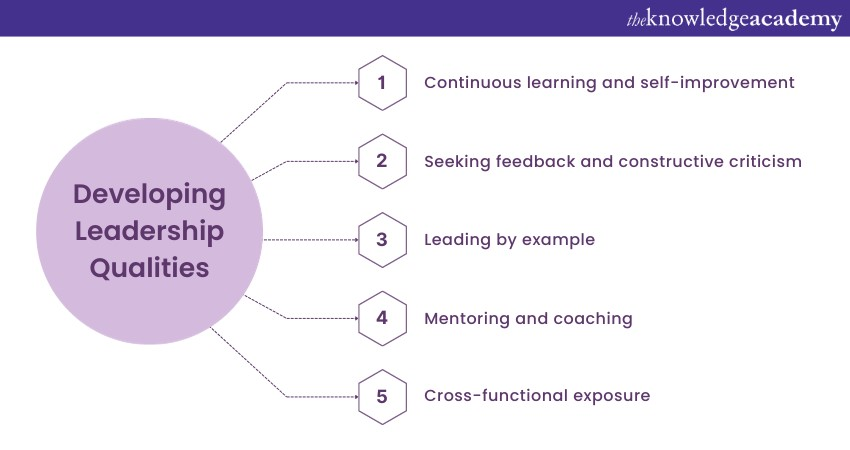
Growth begins with deliberate practice. For job seekers, building self-awareness, seeking feedback, and pursuing diverse experiences accelerates learning agility and confidence. For organizations, investing in coaching, mentoring, and structured development accelerates the maturation of promising leaders and strengthens succession planning. Here are concrete actions that yield measurable improvements.
- Engage in 360-degree feedback to strengthen self-awareness and humility, then translate insights into targeted development plans.
- Participate in cross-functional projects to boost collaboration, exposure to different perspectives, and adaptability.
- Practice ethical decision-making in high-stakes scenarios to reinforce integrity and accountability.
- Join leadership coaching programs that focus on vision, communication, and inspiration.
- Foster a culture of gratitude and psychological safety to unleash candor and better risk-taking.
| Expected outcomes | ||
|---|---|---|
| 360-degree feedback | Collect perspectives from peers, reports, and supervisors; identify patterns | Sharper self-awareness; actionable development steps |
| Cross-functional projects | Lead or join initiatives across departments and geographies | Stronger collaboration; broader impact; adaptability growth |
| Executive coaching | One-on-one sessions focused on vision, communication, and integrity | Greater inspiration and more effective decision-making |
| Mentoring and sponsorship | Mentees gain exposure to senior leaders; sponsors advocate for opportunities | Talent retention; accelerated leadership readiness |
Real-world hiring and development practices reinforce these ideas. For example, comprehensive guidance on how to hire good employees effectively emphasizes aligning leadership capabilities with organizational needs, while resources on personal references highlight credibility and trust in leadership stories. See How to hire good employees effectively and How to include personal references effectively in your resume for actionable steps. You can also explore a broader leadership context with A comprehensive guide to Hays PLC’s global recruitment services.
For recruiters and leaders aiming to align talent strategies with 2025 realities, consider a holistic approach that blends evidence-based traits with the right environment. A practical reading list and case analyses are available in articles like What does an assistant construction manager do and why it matters and What makes good leaders effective and inspiring.
As you plan your next career move or leadership initiative, harness the power of communication, vision, and collaboration to build trust and drive measurable results. Ready to take action? A practical next step is to review case studies and tools referenced in these resources, including insights on insight questions and their effective use.
Finally, keep an eye on credible trends in leadership development and executive search—these are central to hiring decisions and long-term organizational health. For a broader perspective on recruitment strategy and leadership impact, consult sources such as a comprehensive guide to global recruitment services and family office recruitment strategies for 2025.
In practice, organizations that cultivate accountability, encourage adaptability, and continuously invest in leadership development outperform peers. By combining evidence-based traits with real-world coaching, you position yourself—whether as a candidate or as a hiring leader—to navigate complexity with confidence and impact. For further reading and to connect with industry perspectives, explore the articles cited above and related analyses on leadership effectiveness and inspiring leadership in 2025.
Disclosure: this article was produced with AI assistance and fact-checked against the cited sources.