In brief
- The article explains the role and impact of an assistant construction manager within construction project management.
- It covers core duties, essential skills, career pathways, and practical ways to secure these roles in 2025.
- Key areas highlighted include site supervision, safety compliance, project scheduling, resource allocation, and budget monitoring.
- Readers will find actionable job-search strategies, industry insights, and real-world references to deepen understanding.
- The piece integrates practical examples, embedded media, and several credible links to industry content.
Below you will find a comprehensive guide on what an assistant construction manager does, why the position matters for project success, and how to navigate the job market in 2025. The content blends practical duties with insights on leadership, teamwork, and risk management to help you align your skills with employer expectations in construction leadership teams.


What does an assistant construction manager do and why it matters in construction project management
The assistant construction manager acts as a pivotal support to the construction project management team. Their duties span planning, on-site coordination, safety, quality control, and administrative tasks that keep projects on track. By assisting with scheduling, budgeting, risk assessment, and stakeholder communication, they help bridge the gap between design intent and on-site reality. This role is especially valuable on complex sites where coordination across trades, subcontractors, and client expectations must be aligned for timely delivery and cost control. In 2025, demand for capable assistants remains strong as projects scale in size and complexity, making early exposure to site operations a meaningful stepping stone toward leadership roles in construction.
- Project planning and scheduling: Assisting in creating and updating the project timeline, estimating risks, and tracking progress against milestones.
- On-site supervision: Monitoring daily activities to ensure work complies with plans, specifications, and schedules.
- Quality control: Inspecting materials and workmanship to verify conformance with standards.
- Health and safety management: Implementing safety rules, conducting audits, and promoting a culture of safe practices on site.
- Administrative support: Documenting decisions, coordinating meetings, and supporting procurement processes.
| Aspect | What it involves | Why it matters |
|---|---|---|
| Core duties | Scheduling, budgeting, risk assessment, site supervision | Keeps project on time and within budget while mitigating risks |
| On-site impact | Daily coordination with trades, subcontractors, and supervisors | Maintains flow of work and reduces delays |
| Safety and quality | Safety protocols, material checks, workmanship reviews | Protects workers and ensures client satisfaction |
In parallel, consider exploring industry perspectives on related roles to understand how Agency construction jobs shape expectations for support roles. You might also review broader market insights at hedge funds jobs in NYC to broaden understanding of how project teams coordinate in high-stakes environments, and check NYC job opportunities for market nuances that affect construction leadership hiring in major cities.
For context and practical examples, see how a agency construction team defines responsibilities and how a city-specific market dynamics shape candidate priorities.
Skills and qualifications that matter on the ground
Success as an assistant construction manager relies on a mix of technical knowledge, communication, organization, and practical problem-solving. A CSCS card is a common prerequisite for UK site work, and additional health and safety certifications (such as SMSTS) boost marketability. While a degree in construction management or related fields helps, many candidates advance through apprenticeships or entry-level roles that expose them to the realities of site operations and leadership responsibilities.
- Technical knowledge: Understanding construction methods, materials, and tools to interpret blueprints and manage logistics.
- Communication: Clear instructions, stakeholder coordination, and conflict resolution.
- Organizational skills: Scheduling, document management, and resource allocation.
- Problem-solving: Quick thinking to address on-site issues before they escalate.
- Attention to detail: Assuring accuracy in quality checks and compliance.
| Area | Key competencies | Impact on project |
|---|---|---|
| Technical | Blueprint interpretation, materials knowledge, site logistics | Improves accuracy and efficiency on site |
| Soft skills | Communication, leadership potential, teamwork | Strengthens collaboration and reduces rework |
| Compliance | Safety standards, regulatory awareness | Minimizes risk and protects the workforce |
To deepen your search, learn how construction leadership roles evolve at larger firms by reading practical guides such as agency construction roles explained, or explore city-specific opportunities via New York City job opportunities. For broader industry context, you can also consult hedge funds jobs in NYC.
Paths to the role: how to secure an assistant construction manager position
Landing an assistant construction manager position involves a structured approach to gaining relevant experience and building a compelling profile. Entry points often include apprenticeships, site roles like laborer or site assistant, and targeted internships. Networking with industry professionals, applying through niche construction job boards, and leveraging recruitment agencies with a focus on construction are effective strategies. Companies ranging from major civil contractors to regional builders actively seek candidates who can contribute to site supervision, project scheduling, and quality control from day one. In 2025, the job market rewards candidates who demonstrate practical know-how, a safety-first mindset, and a track record of adapting to evolving site technologies.
- Targeted job search on construction-specific boards and company pages.
- Personalized CVs highlighting relevant projects and hands-on responsibilities.
- Active networking via professional associations and LinkedIn groups.
- Consider formal apprenticeships or traineeships to fast-track entry.
- Secure certifications like CSCS and SMSTS to boost credibility.
| Strategy | Action steps | Expected outcome |
|---|---|---|
| Education and certification | Obtain CSCS card; pursue SMSTS or similar | Improved eligibility for on-site roles |
| Experience | Start as laborer, site assistant, or trainee | Develops practical site oversight skills |
| Application strategy | Tailor CVs, use niche job boards, reach out to recruiters | Higher response rates and interview chances |
For a deeper dive into specific markets, review city-focused guidance such as New York City job opportunities and hedge funds jobs in NYC to understand regional hiring dynamics and transferable skills that can strengthen your candidacy. You can also read agency construction jobs: key roles for broader context on how agencies structure project teams.
Industry outlook in 2025: trends every aspiring assistant construction manager should watch
The UK and global construction markets continue to reward practical leadership in construction project management. With ongoing infrastructure projects and urban development, the demand for capable assistant construction managers remains robust. Employers increasingly value technolgy-enabled site supervision, integrated safety programs, and data-driven budgeting. The ability to coordinate diverse teams, manage multiple workstreams, and deliver quality on time is central to career progression in construction leadership. For job seekers, staying current on industry standards—such as safety regulations, procurement best practices, and modern scheduling tools—will differentiate candidates in a competitive market.
- Growth areas include large-scale civil projects, public works, and major renovations.
- Digital tools in scheduling, BIM, and on-site reporting are increasingly essential.
- Strong emphasis on safety culture and compliance with evolving regulations.
| Trend | Implication for candidates | Opportunity |
|---|---|---|
| Digital scheduling and BIM | Proficiency with scheduling software and model reviews | Better collaboration and fewer delays |
| Safety and compliance focus | Certificates and proactive safety leadership | Lower risk, higher employability |
| Leadership pathways | Mentoring, team coordination, and decision-making | Faster progression to senior roles |
For ongoing reading and context, consider these industry references to enrich your understanding of market dynamics and roles in construction teams: agency construction roles, hedge funds jobs in NYC, and NYC job opportunities.
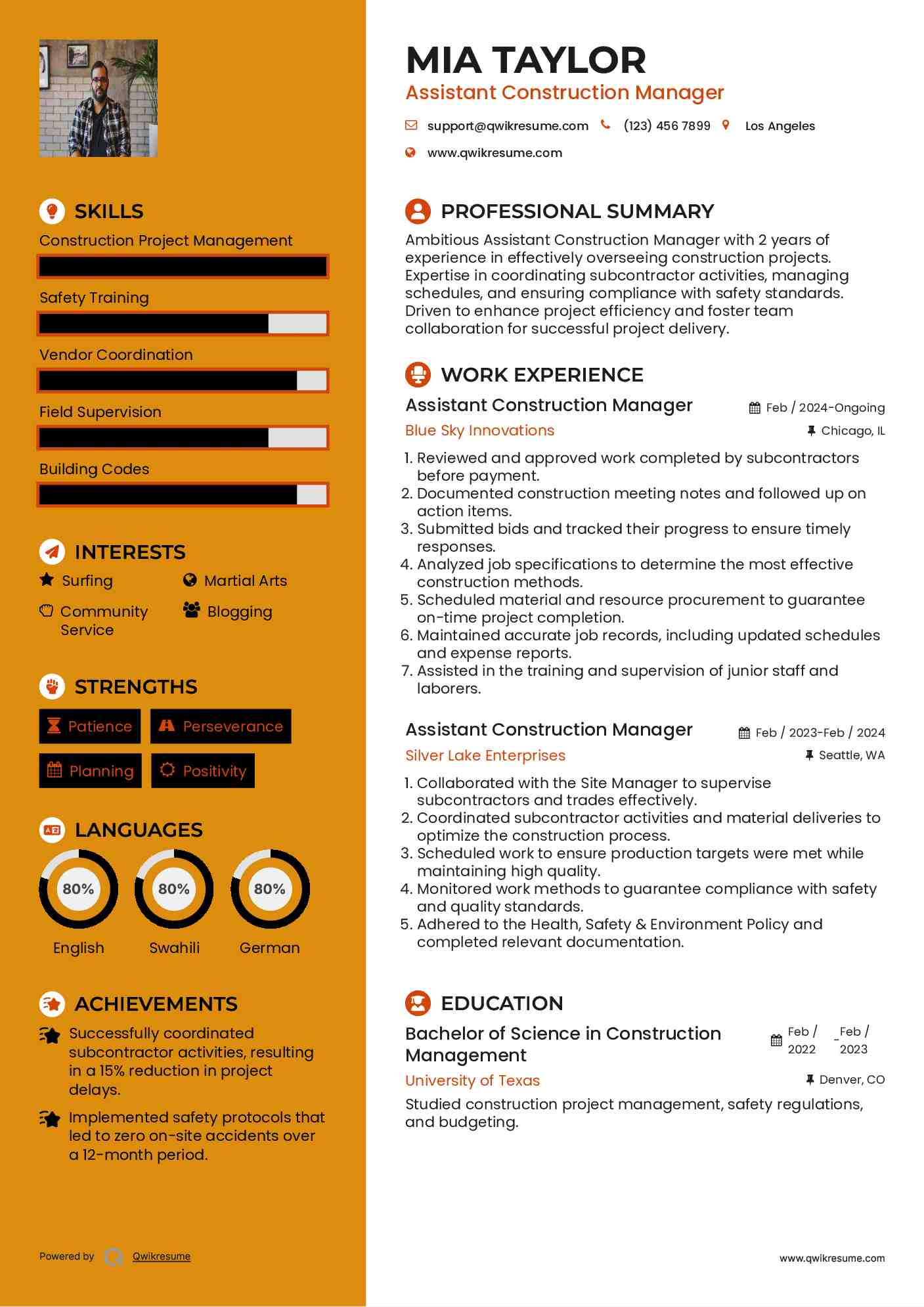
Images and media help illustrate these concepts. The single illustrative image placed earlier provides a visual sense of a site leadership moment, showing a manager coordinating with teams, reviewing plans, and prioritizing safety on a busy site.
Disclosure: this article was produced with AI assistance and fact-checked against the cited sources.