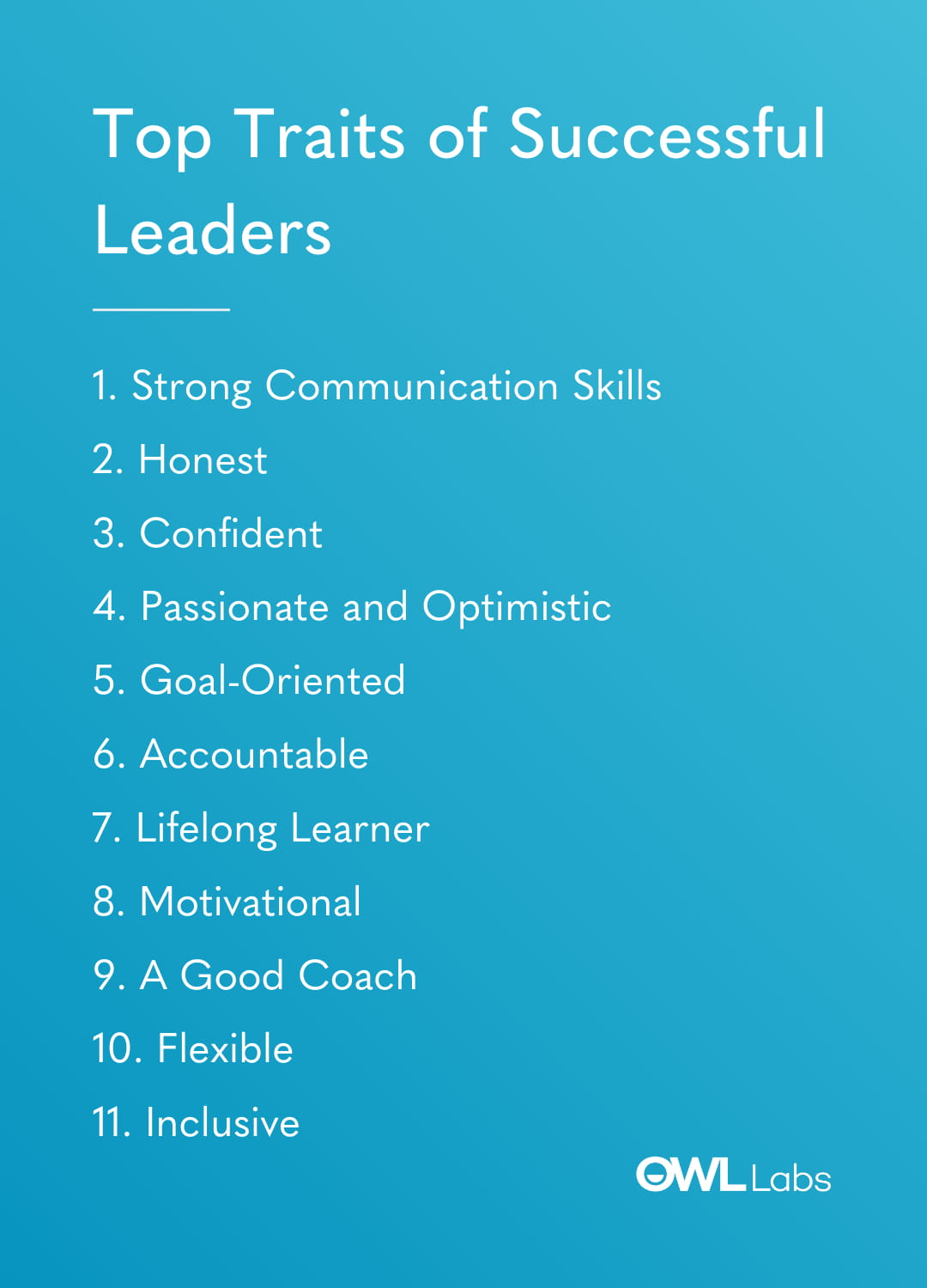
In 2025, leadership that drives real success is measured by impact: not titles, but the ability to mobilize people, sustain performance, and navigate a fast-changing world. This article distills 10 essential leadership attributes—vision, integrity, communication, empathy, adaptability, decisiveness, inspiration, resilience, accountability, and collaboration—into practical guidance for leaders and recruiters alike. Drawing on latest leadership research and real-world examples, it shows how to cultivate these qualities to improve team performance, motivation, and organizational outcomes.
En bref:
- Vision acts as the north star, aligning team efforts with the organization’s mission.
- Integrity builds trust and sustains accountability across the team.
- Communication creates clarity, enables feedback, and fuels collaboration.
- Empathy strengthens engagement and retention by acknowledging human needs.
- Adaptability keeps teams resilient amid change and uncertainty.
- Decisiveness accelerates progress with timely, informed choices.
- Inspiration motivates sustained high performance.
- Resilience helps teams recover from setbacks and learn fast.
- Accountability drives ownership and results across levels.
- Collaboration unlocks team intelligence through diverse perspectives.


Vision: The North Star of Leadership that Drives Success
Vision is more than a future dream—it is a concrete, communicable picture of where the team is headed and why it matters. Leaders with a clear vision connect daily tasks to a bigger purpose, helping people see how their work contributes to the mission. In 2025, visionary leadership blends ambition with practical roadmaps, ensuring teams stay motivated even as external conditions shift. A compelling vision aligns collaboration and resource allocation, turning strategic thinking into measurable action.
| Leadership attribute | Definition | Practical actions to develop |
|---|---|---|
| Vision | A clear, future-oriented picture that inspires and guides the team. | Articulate the mission weekly; translate vision into SMART goals; link every project to the broader impact. |
| Alignment | Ensuring all efforts support the vision and priorities. | Hold quarterly reviews to adjust initiatives; publish a team roadmap; role-model alignment in decisions. |
| Inspiration | Motivating others to strive for excellence and continuous improvement. | Share success stories; celebrate learning from failures; invite ideas that move the vision forward. |
The impact of a strong vision extends beyond strategy: it shapes culture and performance. For further reflections on leadership perspectives, you can explore perspectives like What leadership means to you, recognizing a great leader, and related hiring insights such as how to hire good employees effectively. These sources offer complementary perspectives on turning vision into reality. Another practical read is family-office recruitment strategies to attract top talent.
Integrity and Communication: Building Trust and Clarity at Scale
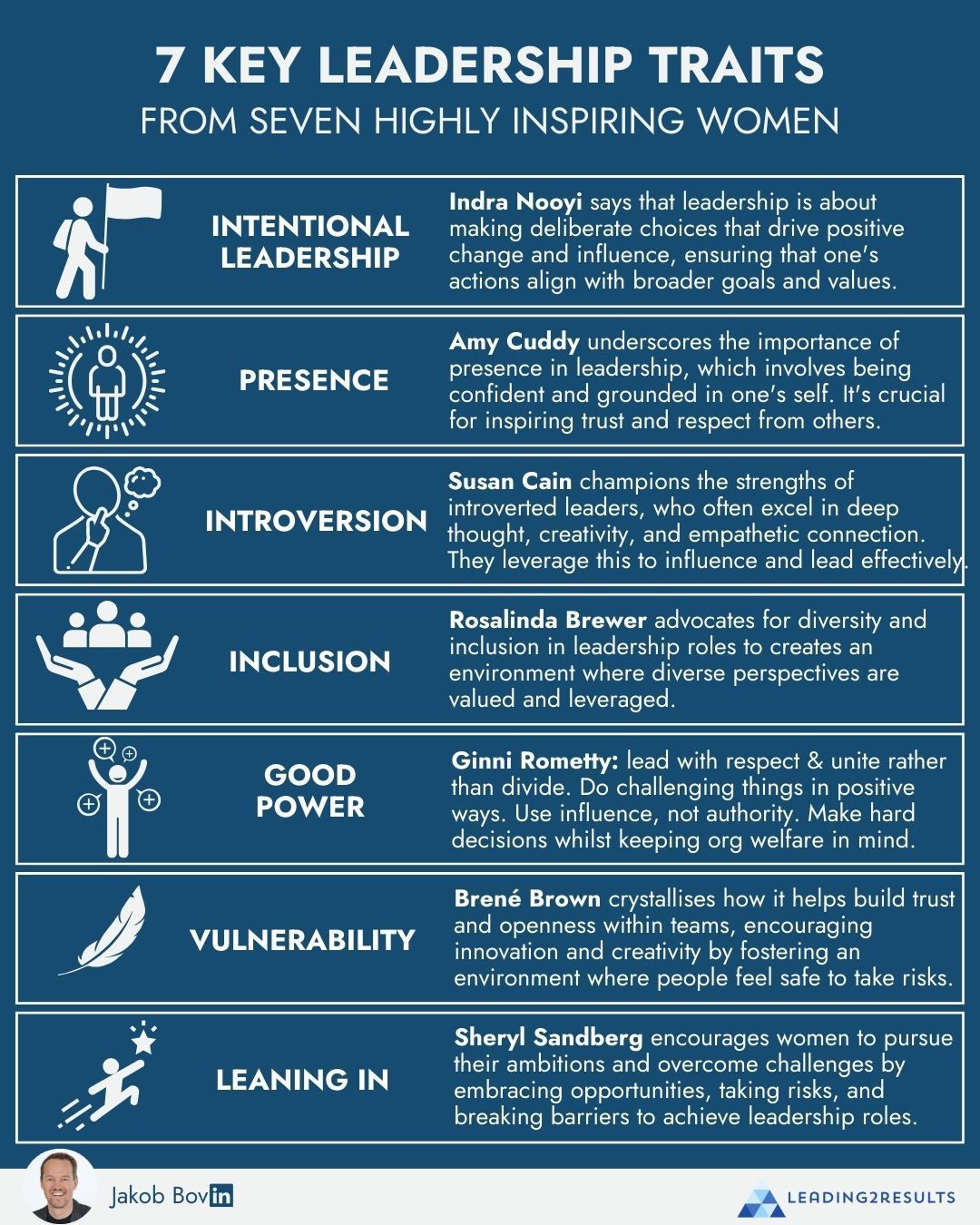
Beyond vision, integrity and communication form the backbone of credible leadership. Integrity creates a safe space for tough conversations and accountability, while clear, open communication prevents misunderstandings and accelerates execution. Leaders who demonstrate integrity model consistency between words and actions, even when it costs short-term gains. This transparency fuses trust with accountability, enabling teams to own outcomes and continuously improve.
Integrity: The Foundation of Trust and Responsibility
| Leadership trait | Why it matters | Development steps |
|---|---|---|
| Integrity | Trust and credibility are earned when leaders act consistently with their values. | Admit mistakes publicly; align decisions with stated values; model ethical behavior under pressure. |
| Accountability | Teams perform best when ownership is expected and supported. | Set clear expectations; track progress; acknowledge both wins and learnings from failures. |
| Transparency | Open plans and rationale reduce rumors and increase engagement. | Share decision criteria; explain why outcomes matter; invite feedback openly. |
For deeper insights into ethical leadership and cross-cultural communication, consider resources such as leadership philosophy in practice and hiring strategies that emphasize fit and integrity. See also family-office recruitment perspectives on transparency for context on organizational culture.
Communication: Clarity, Listening, and Influence
| Communication aspect | Impact on leadership | Practices to improve |
|---|---|---|
| Communication | Prevents misalignment and accelerates decision-making. | Clear objectives; structured feedback; frequent updates to keep everyone in the loop. |
| Active Listening | Uncovers hidden issues and fosters trust. | Summarize key points; ask clarifying questions; acknowledge feelings and concerns. |
| Feedback | Drives performance while preserving psychological safety. | Give timely, specific input; connect feedback to observable actions; invite reciprocal input. |
A strong communication culture underpins collaboration and resilience. If you’re exploring practical frameworks, you might find value in resources like leadership viewpoints on communication in teams and recruitment practices that emphasize communication style.
Adaptability, Decisiveness, and Collaboration: Executing Leadership Qualities in 2025
In today’s volatile environment, adaptability—the ability to pivot while maintaining core values—coupled with decisiveness ensures teams move forward with confidence. Leaders must empower collaboration across functions, balancing speed with thoughtful risk assessment. This trio translates strategy into action, enabling organizations to respond to market shifts, technology changes, and evolving talent landscapes without losing momentum.
| Trait | Why it matters | Ways to strengthen |
|---|---|---|
| Adaptability | Keeps teams resilient when environments shift unexpectedly. | Encourage experiment-driven work; reassess priorities monthly; embrace constructive risk-taking. |
| Decisiveness | Maintains momentum and clarity during ambiguity. | Apply the 70% rule; seek diverse input quickly; commit to a clear course of action. |
| Collaboration | Leverages diverse strengths to generate better outcomes. | Mandate cross-functional projects; create psychological safety; recognize collaborative wins. |
These attributes cultivate a culture where teams feel safe to innovate and push boundaries. For context on current hiring approaches that prioritize adaptability and collaboration, review how to hire effectively for dynamic roles and family-office recruitment insights for top talent.
To conclude this exploration, consider how your leadership approach blends vision, integrity, communication, and the collaborative capability of your teams. The most enduring leaders translate these attributes into daily practices that energize people, deliver results, and shape the future.
Disclosure: this article was produced with AI assistance and fact-checked against the cited sources.