En bref:
- Recruitment agency website design must prioritize user experience and responsive design to engage candidates and employers alike.
- Robust job listings and a streamlined application process are essential for conversion.
- Consistent branding and clear call to action drive trust and action across all pages.
- Leverage SEO optimization to improve visibility for niche roles and local markets.
In 2025, a modern recruitment agency cannot rely on a static brochure site. A well-crafted website design acts as your ongoing recruiter, shaping perception, guiding visitors through the job listings and application steps, and supporting long-term business goals. This guide offers a practical blueprint for building a high-performing recruitment agency site that delivers an exceptional user experience, accelerates candidate engagement, and integrates with ATS/CRM systems for seamless operations. From selecting hosting and a domain to choosing a responsive WordPress theme and setting up conversion tracking, every decision should reinforce your branding and value proposition. The result is a scalable platform that improves the application process, amplifies SEO optimization, and converts visitors into qualified candidates and clients with decisive call to action.
Recruitment Agency Website Design: Core Principles for 2025
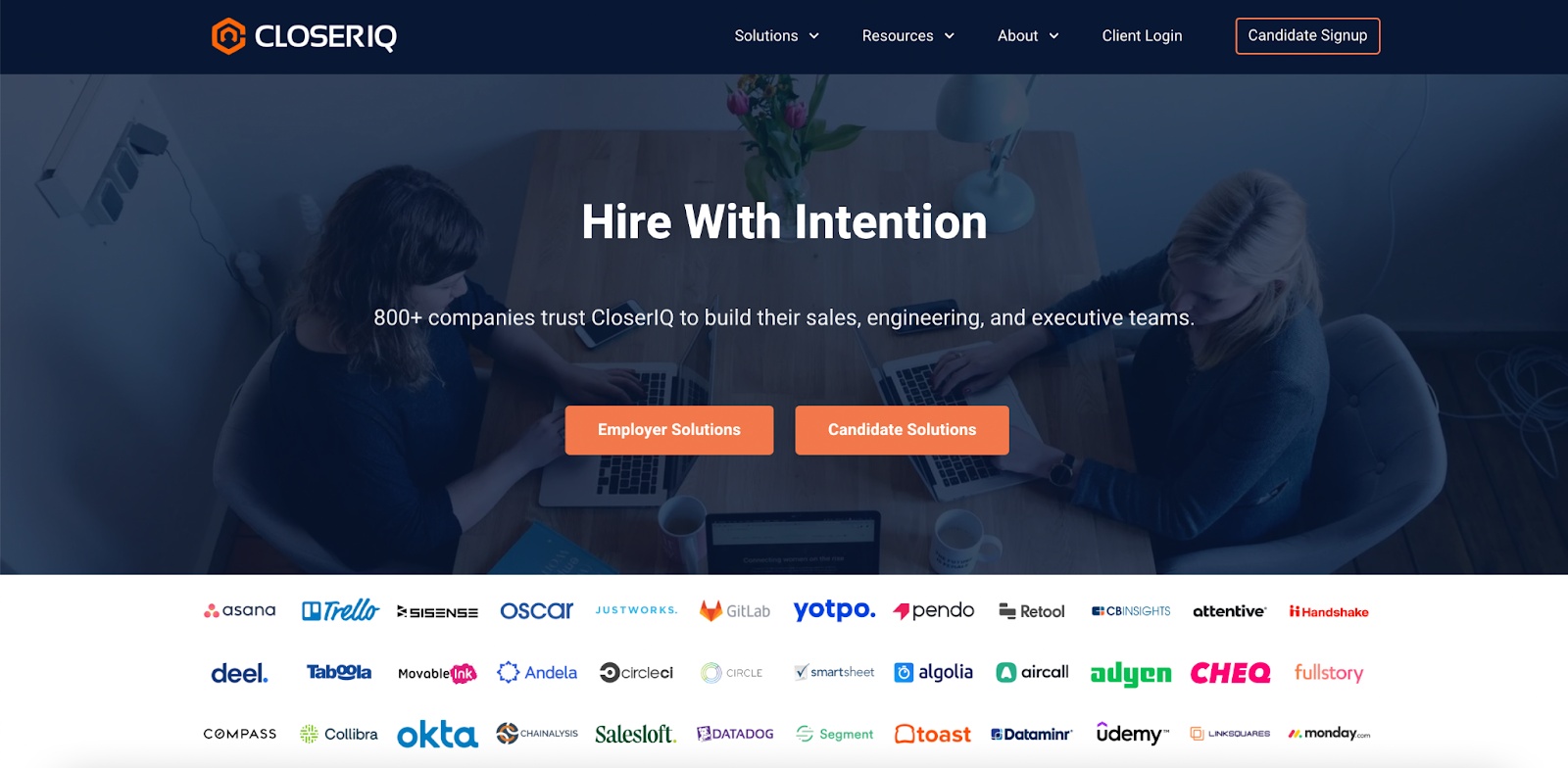
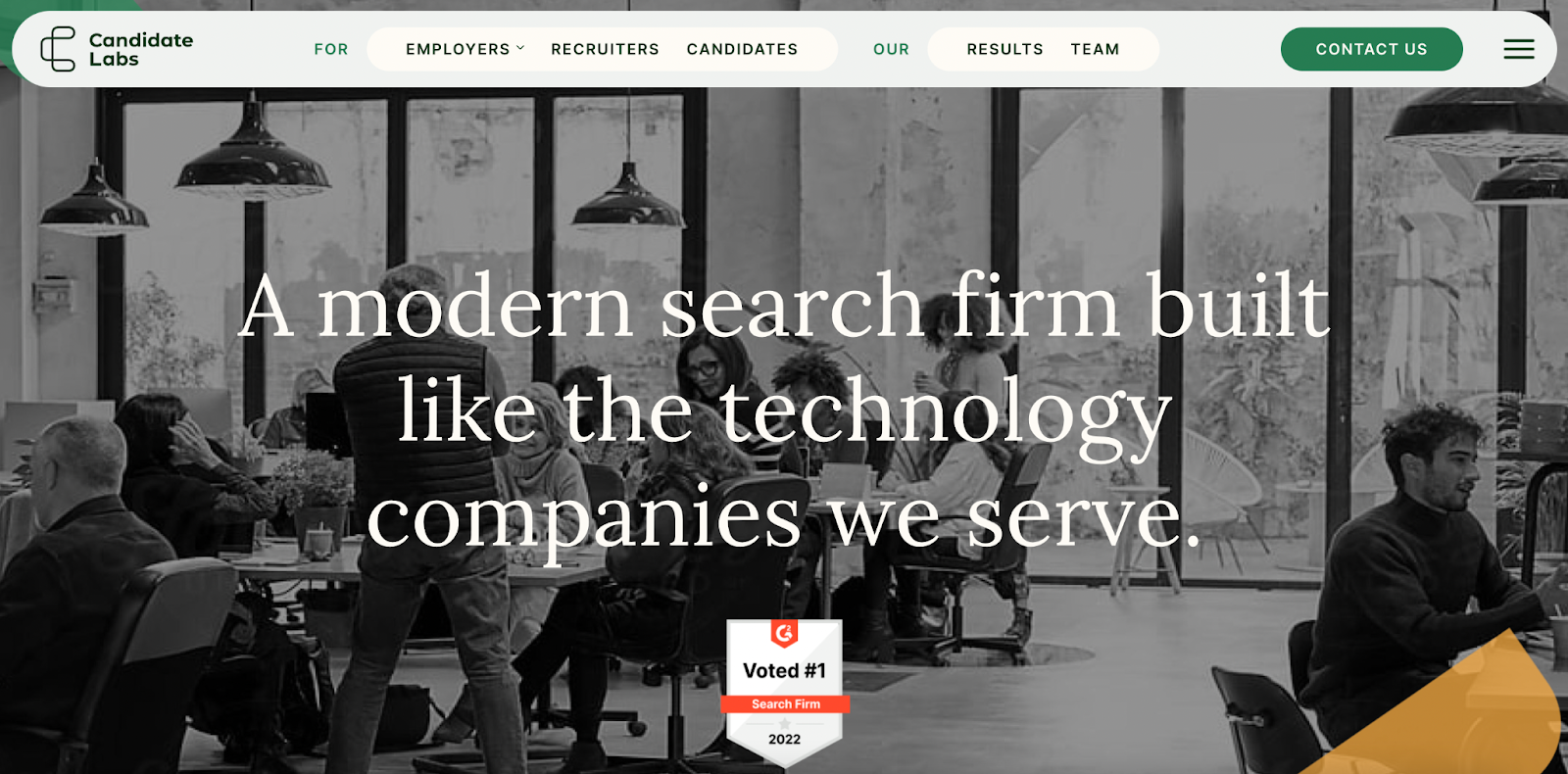
A successful recruitment agency website design starts with a clear understanding of your audiences: employers seeking top talent and candidates exploring opportunities. The site must deliver a fast, intuitive user experience across devices, highlight job listings with powerful search and filters, and guide visitors toward a frictionless application process. Branding should be consistent, credible, and reinforced through authentic content. Local SEO and structured data help you stand out in competitive markets, while analytics inform ongoing improvements. A thoughtful design also ensures accessibility, security, and scalability so your site remains effective as you grow. Below are concrete elements to implement and measure.
- Define audience segments: employers (clients) and job seekers (candidates). Tailor home pages, CTAs, and navigation to each group.
- Adopt a responsive design mindset: ensure fast loading, legible typography, and touch-friendly controls on mobile.
- Prioritize branding consistency: use color, typography, and imagery that reflect your agency’s identity.
- Showcase job listings prominently with advanced search and filters.
- Streamline the application process: minimize steps, enable social or resume-based submissions, and provide progress indicators.
| Aspect | Why it matters | Example |
|---|---|---|
| User experience & navigation | Keeps visitors engaged and guides them toward actions like applying or contacting you | Simple top navigation, prominent job search, and accessible CTAs |
| Job listings search | Improves candidate discovery and time-to-hire | Filters by location, salary range, industry; save & compare |
| Application process | Reduces drop-offs and privacy concerns | One-click apply, resume parsing, and progress bar |
| Branding & trust | Establishes credibility and sets expectations | Testimonials, case studies, and recruiter bios |
| SEO optimization | Drives sustainable traffic and qualified leads | Localized service pages, structured data for jobs |
The following video offers practical guidance on building recruitment-focused website design that enhances candidate engagement and conversion rates. It also covers aligning branding with user flows to improve overall SEO optimization.
Beyond the basics, consider using a steady call to action strategy across pages to move visitors toward submitting their information or applying for roles. The next sections dive into practical steps about hosting, WordPress themes, and turning your site into a true recruiting engine.
WordPress Foundations for a Recruitment Agency Website Design
WordPress remains a popular choice for a recruitment agency website due to its flexibility, expansive ecosystem, and strong SEO optimization capabilities. The platform’s intuitive admin area makes it easy to publish job listings, manage applications, and publish content that supports authentic branding and authority. With thousands of themes and plugins tailored to recruitment needs, you can craft a responsive design that adapts to devices and search engines.
- Easy content updates and posting of job listings
- Extensive customization options with themes and plugins
- SEO-friendly structure and mobile-ready designs
- Scalable as your agency grows with new services and markets
- Cost-effective relative to custom builds
| Element | Benefit for recruitment | Recommended Practice |
|---|---|---|
| Theme & Layout | Ensures a user experience that aligns with branding | Choose a recruitment-specific theme with clean typography and fast loading |
| Plugins for Job Boards | Seamless management of job listings and applications | WP Job Manager or similar plugin with form integrations |
| SEO & Performance | Improves visibility and Core Web Vitals | SEO plugins (Yoast/Rank Math), caching, and image optimization |
After setting up hosting and WordPress, map the architecture to a clear journey: employers land on a “Hire Talent” path, while candidates find intuitive search and a streamlined application process. Use a strong branding message and visible call to action buttons on the homepage and service pages. For practical insights on technology choices and site structure, watch the following video about selecting the right WordPress setup for recruitment sites.
Checklist at a glance:
- Secure hosting with good uptime and WordPress optimization
- Premium or free recruitment-focused theme with responsive design
- Essential plugins for SEO, job boards, and forms
- Demo content to accelerate setup, then customize to branding
- Privacy and data protection compliance
Candidate Engagement through User Experience and Branding
Engaging candidates requires more than listing jobs; it demands a thoughtful user experience and trustworthy branding that guides action. Design pages that speak to candidates with a clean layout, concise copy, and engaging visuals. Employ a journey that highlights why your agency stands out and how you help people find roles that fit their skills and ambitions. Use data-driven personalization, fast load times, and accessible forms to reduce drop-offs and boost engagement.
- Personalized onboarding paths: tailored job alerts and saved searches
- Accessible, mobile-friendly application forms
- Clear value propositions on the homepage and service pages
- Human-first content: recruiter bios, candidate stories, and video testimonials
- Consistent branding across all touchpoints
| Engagement Tactic | Impact | Example |
|---|---|---|
| Role-based CTAs | Increases click-through to relevant job searches | “Find Remote Developer Jobs” rather than a generic “Apply Now” |
| Candidate journey mapping | Reduces friction and abandonment | Saved searches, job cards with save/compare features |
| Social proof | Builds trust and legitimacy | Video testimonials and placed candidate success stories |
Video deep dive: candidate-centric UX and branding for recruitment sites, with practical layouts and copy strategies that improve conversion and engagement.
Key actions to boost candidate engagement include using authentic team visuals, adding recruiter bios with specialties, and showcasing real outcomes. A well-crafted page experience translates into higher applications and better candidate sentiment, which in turn improves referral rates and candidate quality.
Optimizing the Application Process, Conversion Tracking, and Local Reach
Conversion-focused design requires attention to the application process, SEO optimization, and local visibility. Ensure forms are concise, accessible, and mobile-friendly, with clear progress indicators. Implement structured data for job postings to improve visibility in search results, and create city- and industry-specific pages to capture local demand. Use analytics to monitor funnel performance, identify drop-off points, and test improvements to copy, layout, and CTAs. Tracking conversions—from resume submissions to employer inquiries—will drive measurable improvements in fill rates and client engagements.
- Localized landing pages to capture regional demand
- Structured data for job postings to boost search visibility
- Clear signals of trust: testimonials, client logos, and recruiter bios
- End-to-end tracking: form submissions, clicks, and phone calls
- Ongoing optimization: A/B tests on CTAs and page layouts
| Optimization Area | Why It Helps | Practical Example |
|---|---|---|
| Local SEO | Attracts nearby candidates and employers | City-specific pages like “Sales Recruitment Agency Boston” |
| Analytics & attribution | Shows what works and where to invest | GA4 + Google Tag Manager with goal tracking |
| Conversion-friendly CTAs | Drives actions and lowers friction | Buttons labeled with action steps (Apply, Contact, Get a Call) |
Video resource exploring conversion-driven metrics for recruitment sites and practical testing approaches is below to help translate insights into action.
To keep your site fresh and effective, maintain a steady rhythm of job postings, fresh content, and quick responses to inquiries. A well-managed site is your branding asset and a reliable call to action for both candidates and employers. If you’re ready to elevate your site, consider professional services that specialize in website design for recruitment agencies to ensure every element—from UX to SEO—works in concert.
Further Reading and Credible Sources
These references provide foundational guidance for SEO optimization, site performance, and best practices for recruitment websites.
Disclosure: this article was produced with AI assistance and fact-checked against the cited sources.
1 thought on “How to design an effective website for a recruitment agency”