Résumé
Understanding the assistant project manager role and how to succeed in 2025 requires a practical blend of hands-on experience, structured learning, and strategic networking. This guide syntheses core responsibilities, skill development, and career pathways to help you transition from entry-level opportunities to trusted team contributors. You’ll discover how to align your learning with real-world project cycles, how to build a compelling portfolio that demonstrates impact, and how to leverage soft skills like communication and leadership to influence outcomes. The content draws on current industry practices, case studies, and expert guidance to empower candidates to take decisive steps toward becoming a capable and autonomous contributor in project management.
Brief
This article offers a practical, step-by-step path for aspiring assistant project managers, emphasizing education, experience, and a portfolio-driven approach to achieve career success in project management.
Understanding the assistant project manager role in project management: responsibilities and impact
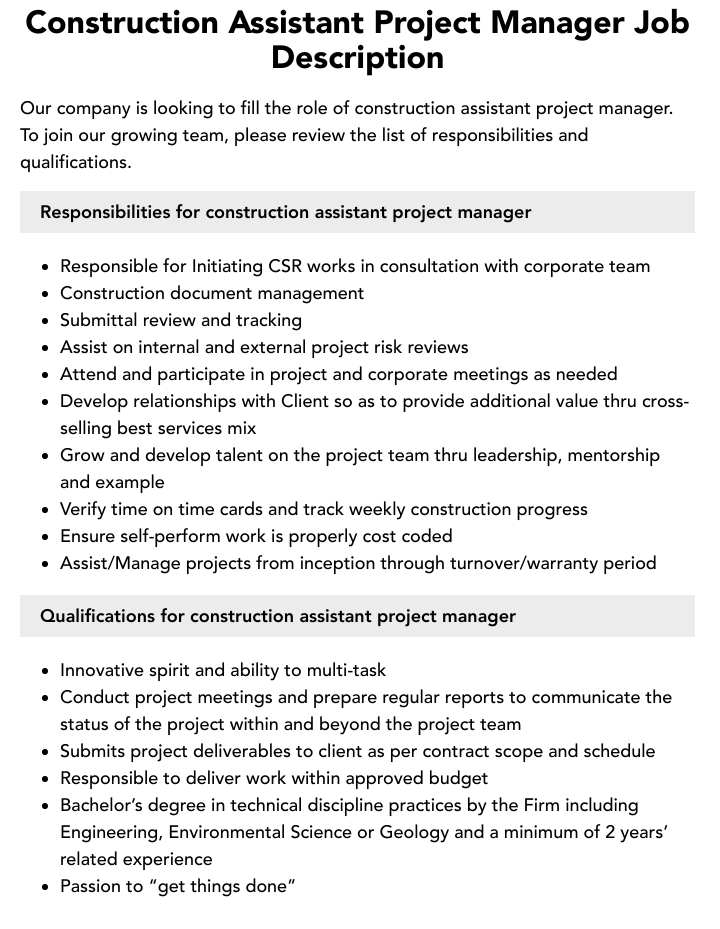
The assistant project manager is a key enabler of project success, working alongside the project manager to plan, execute, and monitor initiatives. Core activities include creating schedules, tracking budgets, generating reports, and communicating with stakeholders. This role also involves monitoring risks, ensuring quality standards, and stepping into PM duties when delegated. The exact mix of tasks varies by project size, industry, and organizational structure, but the throughline is clear: you are a critical engine that keeps the machinery of a project running smoothly and predictably.
- Support the project manager in planning, execution, and monitoring of project activities.
- Develop schedules, manage basic budgets, and prepare progress reports for stakeholders.
- Coordinate communication across teams and address issues as they arise.
- Assist with risk identification and mitigation, and help maintain quality standards.
- Assume delegated PM responsibilities when required, especially in small to mid-size projects.
| Aspect | How it looks in practice |
|---|---|
| Scope alignment | Clarify deliverables with the PM and stakeholders; track changes |
| Timeline management | Maintain task lists, update milestones, flag delays |
| Resource tracking | Monitor allocations and utilization; escalate bottlenecks |
| Quality control | Review outputs against standards; document deviations |
For broader context on related managerial roles, you may explore perspectives like What is a manager and why their role matters in organizations and Understanding the key roles in agency construction jobs.
Key reading and case examples help shape the daily rhythm of an assistant project manager, including day-to-day tasks highlighted in industry guides such as Assistant construction project manager job description explained and What does an assistant construction project manager do day-to-day.
Education and training to become an assistant project manager: foundations that count
A solid pathway to the assistant project manager role blends formal education, targeted training, and practical exposure. Candidates typically pursue a degree or certificate in project management or a related field, complemented by online courses, workshops, and certifications. Credible credentials like the Certified Associate in Project Management (CAPM) or the Project Management Professional (PMP) signal competence to employers and clients. The emphasis is on building a robust knowledge base, then applying it in real-world contexts to demonstrate impact.
- Choose an education path: degree, diploma, or certificate in project management or a related field.
- Supplement formal learning with online courses and micro-credentials focused on planning, scheduling, and risk management.
- Consider professional certifications (CAPM, PMP) to validate your capability for more responsibility.
- Pursue hands-on experience in the industry you want to support (e.g., tech, construction, or healthcare).
| Education Path | Examples | Pros | Best For |
|---|---|---|---|
| Formal degree | Bachelor’s in Project Management | Strong foundation; widely recognized | Longer-term career planning |
| Certificate or diploma | PM certificate programs | Faster entry into the field | Early PM exposure |
| Certifications | CAPM, PMP | Demonstrates competency; increases credibility | Advancement in PM tracks |
Practical steps to build expertise include reading foundational PM guides, studying key methodologies, and applying learnings in real projects. For example, exploring different management methodologies, then focusing on one to understand its use, advantages, and trade-offs helps you speak confidently about project decisions. If you want a deeper dive into PMP basics, consider resources and study guides, and look for a mentor who can provide feedback on your approach.
Gaining experience and building a portfolio: the fastest route to credibility
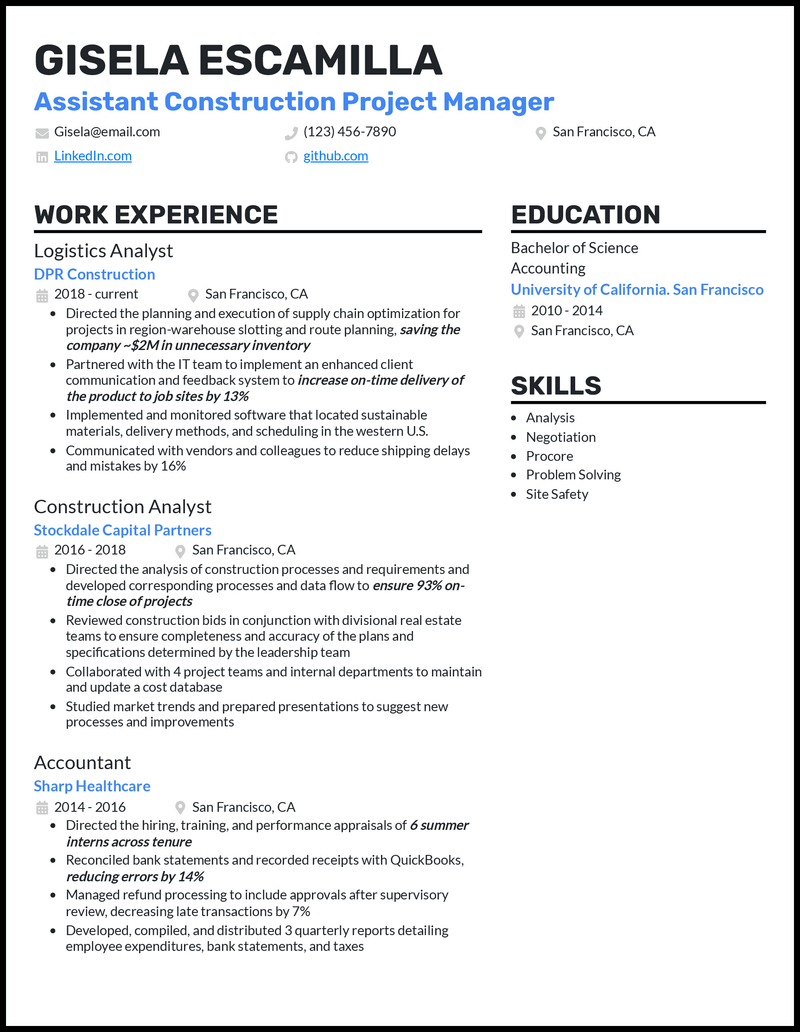
Real-world experience is the fastest way to grow as an assistant project manager. Start with volunteering on internal initiatives, internships, or entry-level roles that expose you to project coordination, documentation, and stakeholder communication. Document your outcomes, gather feedback, and curate a professional portfolio that demonstrates your impact, problem-solving, and ability to drive results. A strong portfolio helps you articulate your value to hiring teams and clients when applying for roles across industries.
- Volunteer for internal projects or community initiatives to gain hands-on PM exposure.
- Seek internships or apprenticeships that provide mentoring in project management practices.
- Track your results with metrics such as on-time delivery, budget adherence, and risk mitigation success.
- Showcase projects in a portfolio with clear stories: challenges, actions, results, and lessons learned.
| Portfolio Component | Description | Metrics to Highlight |
|---|---|---|
| Project case study | Brief project overview, your role, and outcomes | Delivery date, budget variance, stakeholder satisfaction |
| Documents and artifacts | Plans, schedules, risk logs, and status reports | Version history, accuracy, usefulness |
| Lessons learned | What worked, what didn’t, adjustments for next time | Implementation of improvements, repeat success |
High-impact examples include projects in construction, IT, or marketing where you contributed to planning, data gathering, and progress tracking. You can read about professional project examples for success in a practical guide linked here: Professional project example: a complete guide to success.
Developing soft skills and competencies: the human edge in project management
Beyond technical knowledge, the most successful assistant project managers bring strong soft skills. Core capabilities include communication, teamwork, adaptability, problem solving, and a proactive leadership mindset. Developing these competencies requires deliberate practice, feedback loops, and opportunities to lead small initiatives. A balanced mix of horizontal (transferable) and vertical (domain-specific) skills helps you navigate complex project environments and rise faster into leadership roles.
- Communication: clear, concise, and timely updates to teams and stakeholders.
- Team coordination: aligning efforts across functions to deliver milestones.
- Problem solving: diagnosing root causes and crafting effective solutions quickly.
- Time management: prioritizing tasks to avoid bottlenecks and ensure on-time delivery.
- Leadership: guiding teams with a problem-solving orientation, even in ambiguity.
| Skill Type | Development Approach | Examples |
|---|---|---|
| Horizontal skills | Shadow PMs, participate in cross-functional meetings, seek feedback | Communication, collaboration, initiative |
| Vertical skills | Learn PM tools, frameworks, and industry-specific processes | Risk tracking, scheduling, budgeting, reporting |
For broader context on organizational roles and why leadership matters, see What is a manager and why their role matters in organizations and What does an assistant construction project manager do day-to-day.
Career progression: from assistant project manager to higher levels of leadership
Starting as an assistant project manager often opens doors to roles such as project manager, program manager, or PMO lead. The path typically involves expanding responsibility (scope, budget, team size), refining stakeholder management, and gaining exposure to larger programs. Building a reputation for reliability, data-driven decision-making, and consistent delivery accelerates advancement. Networking within your industry, pursuing advanced certifications, and seeking mentorship are practical accelerants to your career trajectory.
- Expand scope gradually: take on larger projects or more complex portfolios.
- Develop program-level thinking: learn how projects align with strategic goals.
- Strengthen governance: improve reporting cadence, risk management, and decision rights.
- Seek mentorship and sponsor relationships to guide promotion opportunities.
| Career Step | Typical Responsibilities | Requirements |
|---|---|---|
| PM (Project Manager) | Lead project plan, manage team, own budgets and risk register | Proven delivery, PM certifications, stakeholder management |
| Program Manager | Coordinate multiple related projects, align with strategy | Experience across projects, strong governance |
| PMO Lead | Standardize processes, governance, metrics across programs | Leadership, strategic thinking, broad PM experience |
Explore practical growth insights and examples in real contexts via: Assistant Construction Project Manager Job Description Explained and Finding top jobs in Edgewater, FL: your 2025 guide.
In the search for roles, leverage targeted job boards and regional guides such as Exploring top jobs in Jersey City, NJ for 2025 and practice with real-case scenarios described in A professional project example: a complete guide to success.
En bref (Key takeaways): The assistant project manager role blends technical PM work with strong communication and leadership. Build credibility through hands-on experiences, a solid portfolio, and certifications, then translate those achievements into steps up the career ladder.
Disclosure: this article was produced with AI assistance and fact-checked against the cited sources.