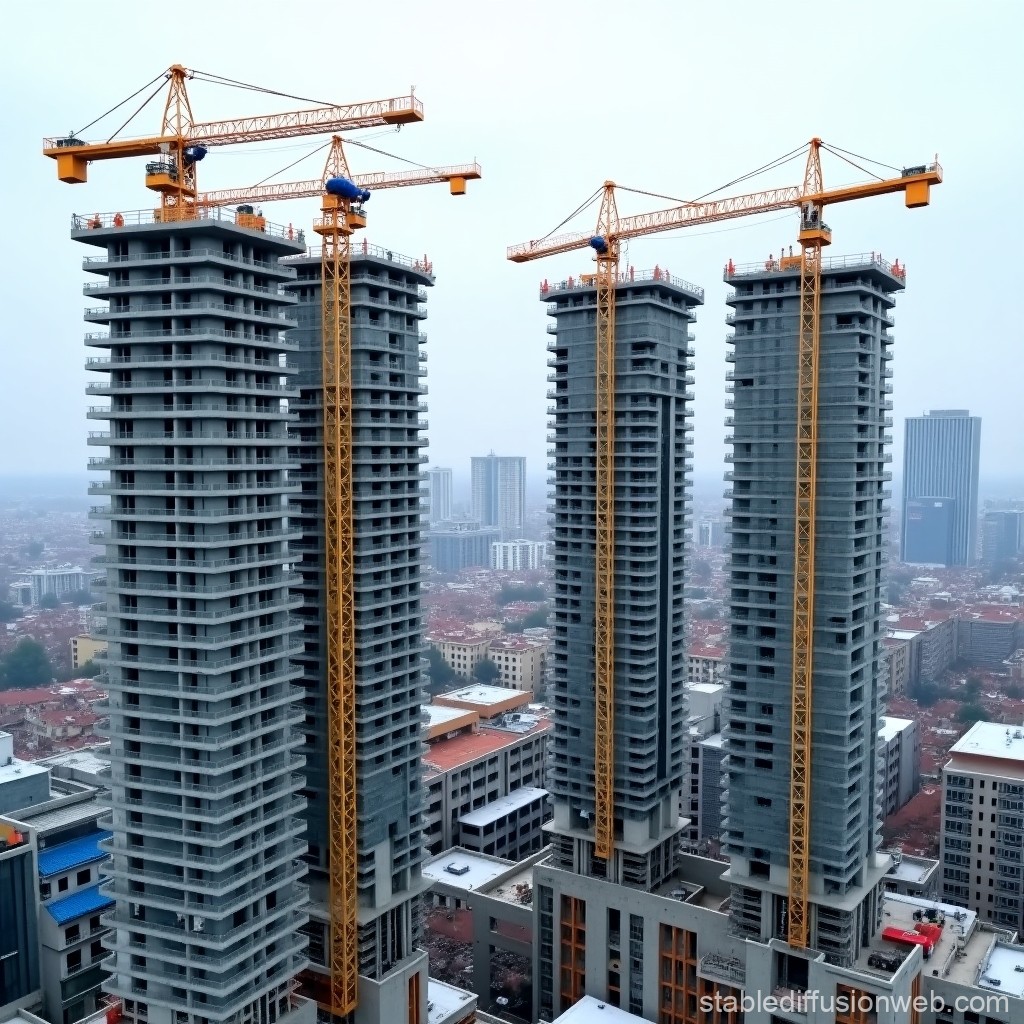
In 2025, Maryland’s new construction scene is navigating a complex mix of demand, affordability, and policy shifts. Market dynamics show enduring buyer interest in both urban cores and expanding suburban pockets, while the state confronts a substantial housing gap that pressures prices, rents, and the pace of development. This piece distills the latest state-level assessments and industry signals to illuminate what this means for buyers, investors, and builders alike in the year ahead.
Brief

Key trends shaping new construction in Maryland in 2025
- Strong housing demand persists across Maryland real estate markets, with buyers and renters seeking modern, energy-efficient homes in both city-adjacent neighborhoods and growing suburban corridors.
- Supply growth remains constrained, driven by regulatory constraints, zoning patterns, and the persistent gap between housing production and projected growth through 2045.
- Affordability remains a core challenge, as rising rents and home prices outpace income growth for many households, underscoring the need for more affordable and workforce housing.
- Policy and permitting dynamics influence timelines, with permitting volumes and regulatory processes shaping construction tempo and cost.
| Indicator | 2025 Context | Implications |
|---|---|---|
| Projected housing growth through 2045 | Need around 590,000 new housing units to accommodate demand | Current production pace is unlikely to meet long-term needs without upzoning and streamlining processes |
| Rental affordability gap | Over half of Maryland counties report rent burdens for many households | Highlights demand for more affordable rental options and targeted subsidies |
| 65+ aging population | Share of residents aged 65+ projected to reach 21% by 2040 | Calls for more age-friendly, accessible housing options and supportive services |
What this means for buyers, renters, and investors
- For buyers, expect more energy-efficient homes and modern layouts, but be prepared for a competitive market in desirable locales.
- For renters, look for new construction projects that include affordable units or inclusionary housing components as part of development pipelines.
- For investors and developers, opportunities exist in higher-density, residential development near transit hubs and growth corridors, provided permitting and land-use approvals align with timelines.
Video above offers insights into market momentum, construction activity, and policy influences shaping Maryland real estate in 2025.
Housing needs, affordability, and aging in Maryland: 2025 outlook
- The 2025 State Housing Needs Assessment consolidates data on housing gaps, updating the 2020 baseline to reflect shifts since the pandemic and ongoing price pressures.
- Overall production remains insufficient to match projected growth through 2045, reinforcing the need for higher-density zoning and targeted affordable housing programs.
- The analysis emphasizes that affordability issues disproportionately affect Black and Hispanic residents, underscoring equity considerations in policy design.
| Topic | Key Finding (2025) | Policy/Market takeaway |
|---|---|---|
| Housing production vs. growth | Production not keeping pace with projected growth through 2045 | Necessitates upzoning and faster approvals to enable higher-density development |
| Affordability burden | Many counties show rent burdens exceeding a third of income for most renters | Prioritize affordable rental streams and preservation of existing affordable stock |
| Aging population | 65+ residents rising toward 21% of the population by 2040 | Expand age-friendly housing and support services for seniors |
State-level findings emphasize a multi-sector approach: increasing overall housing supply, upzoning for denser housing, and preserving affordable options—especially for older adults and very low-to-moderate income renters. The data also foreshadows a broader migration narrative linked to housing costs, with affordability playing a central role in where Maryland residents choose to live and work.
- Increased production must align with denser, transit-oriented development to maximize land-use efficiency.
- Affordable housing production should be paired with protections for current renters and homeowners at risk of displacement.
- Supportive housing and services remain essential for homelessness reduction and community resilience.
Regulatory landscape and construction permits in 2025
- Maryland’s land-use regime remains local-control heavy, with zoning practices and APFOs (adequate public facilities ordinances) shaping where and how much housing gets built.
- Regulatory reviews and permitting timelines directly affect the pace of construction permits 2025 and project costs.
- Builders are increasingly integrating energy-efficient features and durable building practices to meet rising consumer expectations and policy requirements for green building.
| Regulatory focus | 2025 landscape | Impact on development |
|---|---|---|
| Land-use zoning | Continued emphasis on local zoning with calls for upzoning in growth areas | Potential for higher-density projects near transit; may require community engagement and time |
| Permitting timelines | Permitting volumes and processing times influence timelines and costs | Delays can affect start dates and overall construction budgets |
| Energy standards | Growing demand for energy-efficient homes and resilient design | Upfront investments can yield long-term savings and align with incentives |
For participants in property investment Maryland or those monitoring the Maryland real estate market, these regulatory trends signal the need for proactive planning, early stakeholder engagement, and a focus on durable, energy-conscious homes that meet evolving codes and consumer preferences.
Sources and context for these findings include the 2025 State Housing Needs Assessment produced by the Maryland Department of Housing and Community Development, in partnership with the National Center for Smart Growth at the University of Maryland College Park, and related state initiatives discussed by the Maryland Comptroller’s offices. This body of work provides a comprehensive view of supply gaps, affordability pressures, and demographic shifts shaping the housing landscape in 2025.
Key references for further reading and verification:
- Maryland Department of Housing and Community Development — 2025 State Housing Needs Assessment
- National Center for Smart Growth, University of Maryland — Housing needs research
- Maryland Comptroller — Economy and housing cost considerations
Disclosure: this article was produced with AI assistance and fact-checked against the cited sources.