In brief
- Identify the early warning signs of a bad manager and toxic leadership to protect your career and wellbeing.
- Learn practical, actionable steps to deal with poor management while preserving professional boundaries.
- Improve employee communication, manage stress, and navigate workplace conflict in a healthier work environment.
- Explore strategies for possible internal moves or external opportunities to regain control of your career.
In 2025, many professionals still contend with a bad manager who subtly undermines performance, confidence, and team morale. Identifying the warning signs early is essential, because the cost of poor leadership goes beyond individual frustration—it affects turnover, engagement, and even mental health. This guide synthesizes 27 tell-tale indicators of poor management and pairs them with practical strategies to deal with each situation, from documenting interactions to setting firm professional boundaries. You’ll find concrete actions to protect your own work quality, communicate effectively under pressure, and consider strategic moves—such as internal transfers or targeted upskilling—when the work environment becomes untenable. The aim is not merely to endure bad leadership, but to empower you to shape a healthier workplace, or to navigate toward opportunities that better align with your skills and values.

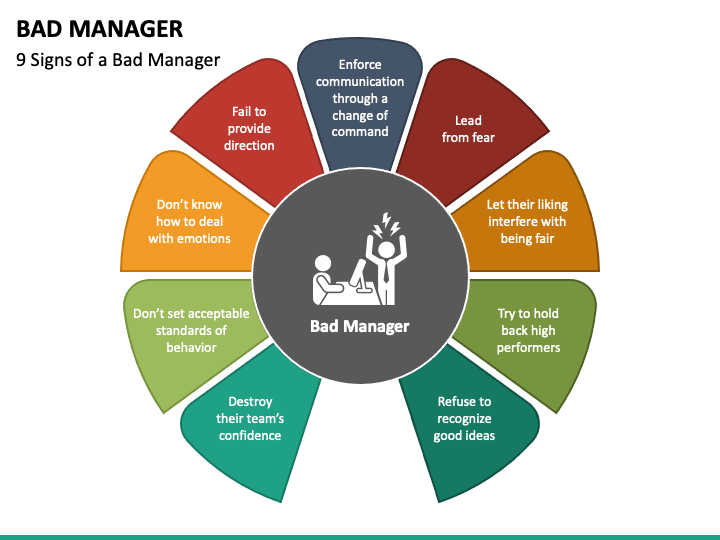
Identify the signs of a bad manager: 27 indicators of poor leadership and toxic leadership patterns
- Inconsistent priorities and mixed messages — creates confusion and erodes trust. Action: document instructions and request written confirmations.
- Micromanagement of every task — stifles autonomy and slows progress. Action: propose regular, pre-planned updates that satisfy oversight needs.
- Playing favorites — unequal opportunities undermine morale. Action: broaden relationships, document achievements, and demonstrate consistent reliability.
- Taking credit for others’ work — damages team morale and career growth. Action: share progress with multiple stakeholders and keep visible records of contributions.
- Lack of emotional intelligence — tone-deaf or dismissive reactions harm engagement. Action: set clear needs and boundaries with concrete examples.
- Never providing clear direction — vague expectations waste time and effort. Action: summarize understanding in writing after assignments.
- Disrespect for time — after-hours contact, last-minute demands, and scheduling chaos. Action: establish boundaries and do-not-disturb periods.
- Victim mentality — blame-shifting and perceived persecution undermine accountability. Action: keep detailed records and focus on solutions.
- Resistance to change — blocks progress and impedes growth. Action: present data-driven change proposals with examples.
- Gossip about colleagues — erodes trust and professionalism. Action: stay neutral and document instances of inappropriate talk.
- Takes credit but deflects blame — creates fear around initiative. Action: maintain cross-functional visibility and witness networks.
- Signs of narcissistic leadership — seeks constant validation, diminishes others’ successes. Action: rely on data-driven communication and firm boundaries.
- No growth opportunities — stagnation harms engagement and retention. Action: pursue external mentorship and external training.
- Culture of fear — high stress, low creativity, elevated turnover. Action: document patterns and build a support network.
- Chronically disorganized — missed details and conflicting instructions. Action: implement your own organization system and keep records.
- Unwilling to make decisions — bottlenecks stall progress. Action: propose decisions with clear deadlines and consequences for delay.
- Unpredictable moods — mood swings disrupt collaboration. Action: maintain professionalism and document impact on work.
- Biased or discriminatory behavior — legal and ethical risks for the workplace. Action: report incidents with dates and details to HR or legal counsel if necessary.
- Lack of technical competence — flawed guidance and unrealistic requests. Action: position yourself as a reliable resource while documenting requirements.
- Always “too busy” — constant unavailability harms leadership and coaching. Action: schedule regular check-ins and enable asynchronous communication.
- Doesn’t support work-life balance — burnout risk and disengagement. Action: set boundaries and document pressure to work beyond reasonable hours.
- Creates unnecessary internal competition — harms collaboration and trust. Action: emphasize personal performance and healthy peer relationships.
- Poor communication — messages lost, directions contradict each other. Action: document communications and build your own tracking system.
- Weak conflict management — conflicts escalate or linger. Action: address conflicts directly and document impact on performance.
- Resistant to feedback — stifles improvement. Action: focus feedback on business impact and use anonymous channels when available.
- No interest in your career goals — stagnation and disengagement. Action: create a personal development plan and seek external mentorship.
- Lack of professionalism — boundary violations and unprofessional behavior. Action: uphold your own standards and document violations.
| Sign No. | Sign | Why it matters | Recommended response |
|---|---|---|---|
| 1 | Inconsistent priorities and mixed messages | Creates confusion, reduces trust, hurts performance | Request written briefs; confirm decisions in email |
| 2 | Micromanagement of every task | Undermines autonomy and slows delivery | Suggest structured updates; demonstrate reliability |
| 3 | Playing favorites | Damages morale and fairness | Build broad relationships; document outcomes |
| 4 | Taking credit for others’ work | Undermines team growth | Share progress with stakeholders; keep records |
| 5 | Lack of emotional intelligence | Damages engagement and psychological safety | Communicate needs with concrete examples |
| 6 | Never providing clear direction | Wastes time and reduces performance | Summarize understanding after tasks |
| 7 | Disrespect for time | Harmful for balance and productivity | Set boundaries; use do-not-disturb |
| 8 | Victim mentality | Shifts accountability away from leadership | Keep logs; focus on solutions |
| 9 | Resistance to change | Blocks growth and competitiveness | Present data-driven change proposals |
| 10 | Gossip about colleagues | Destroys trust and professionalism | Redirect conversations; document incidents |
| 11 | Takes credit but deflects blame | Creates fear around initiative | Maintain cross-functional visibility |
| 12 | Narcissistic leadership | Hurts team wellbeing and fairness | Rely on data; set boundaries |
| 13 | No growth opportunities | Stagnation lowers engagement | Seek external mentorship and training |
| 14 | Culture of fear | Stifles creativity and increases turnover | Document patterns; build a support network |
| 15 | Chronically disorganized | Missed details and conflicting directions | Use personal organization systems |
| 16 | Unwilling to make decisions | Causes bottlenecks and wasted resources | Propose decisions with deadlines |
| 17 | Unpredictable moods | Damages trust and consistency | Maintain professionalism; document impact |
| 18 | Biased or discriminatory | Legal and ethical risks | Document and escalate appropriately |
| 19 | Lack of technical competence | Leads to flawed direction | Position yourself as a resource |
| 20 | Always “too busy” | Indicates poor leadership and coaching | Set regular check-ins |
| 21 | Doesn’t support work-life balance | Burnout and disengagement | Establish clear boundaries |
| 22 | Creates unnecessary competition | Hurts collaboration | Highlight collaborative wins |
| 23 | Poor communication | Confusion and errors | Document and systematize channels |
| 24 | Weak conflict management | Issues escalate | Address conflicts early with records |
| 25 | Resistant to feedback | Prevents improvement | Focus on business impact of feedback |
| 26 | No interest in career goals | Stagnation and drift | Create a personal dev plan |
| 27 | Lack of professionalism | Undermines standards | Maintain your own standards and document violations |
Actionable next steps for dealing with a bad manager include direct conversation, documentation, HR support when needed, and seeking growth opportunities outside or within the organization. For a practical framework, see the following steps:
- Document and assess — collect dates, examples, and impact to performance.
- Communicate with clarity — request explicit expectations in writing.
- Seek support — consult HR or a trusted mentor/colleague for guidance.
- Protect your well-being — implement stress management techniques and professional boundaries.
- Plan your next move — explore internal transfers or external opportunities strategically.
Two practical strategies to apply now:
- Document key interactions and request confirmations in writing to reduce miscommunication.
- Establish a regular cadence of check-ins and agenda-driven meetings to balance oversight with autonomy.
Deal with a bad manager: practical steps to address poor management in the workplace
Effective responses combine clear communication, documentation, and proactive boundary-setting. In practice, these approaches help you reduce workplace conflict, preserve employee communication, and manage stress while navigating a challenging work environment. The goal is to protect your career and mental health while seeking constructive outcomes, whether through improved leadership, internal placement, or new opportunities.
- Begin with a private, factual conversation — express how specific behaviors affect your work and request constructive changes.
- Build a support network — connect with mentors, peers, and HR for perspective and safety nets.
- Document everything — maintain a written log of guidance, approvals, and outcomes to avoid misinterpretation.
- Propose structured decisions — suggest deadlines and criteria to reduce delays and ambiguity.
- Consider internal moves — explore transfers to teams with healthier leadership dynamics.
- Prioritize stress management — adopt routines that protect sleep, exercise, and mental health.
| Strategy | When to Use | Best Practice | Potential Outcome |
|---|---|---|---|
| Direct conversation | When behavior affects deliverables | Prepare facts, use “I” statements | Improved clarity or a plan for change |
| Documentation | Ongoing pattern of behavior | Keep timestamped records | Evidence if escalation is needed |
| HR or mediation | When direct talk fails | Facts-first communication | Possible policy or process changes |
| Internal transfer | When dysfunction is systemic | Leverage internal networks | New leadership dynamic |
| Exit strategy | When no improvement is seen | Update resume; network | Opportunity for healthier role |
To support your decisions, consider these practical cues from credible resources on leadership and workplace dynamics. For example, research highlights how poor management correlates with higher turnover and stress, emphasizing the importance of proactive boundary-setting and career planning. See sources on leadership, employee engagement, and organizational culture for deeper context.
Build a healthier work environment: stress management and professional boundaries under challenging management
Fostering a healthier work environment while dealing with a bad manager requires deliberate boundaries, effective communication, and resilience. These practices help mitigate workplace conflict, protect your mental health, and keep your career trajectory on track. Below are concrete actions you can take today, along with a concise summary of how each can shift the balance toward a more sustainable work life.
- Set non-negotiable boundaries around after-hours work, response times, and meeting expectations.
- Prioritize clear, written communication to reduce ambiguity and create accountability.
- Schedule stress management routines—breathing exercises, short rehearsals before meetings, and regular breaks.
- Seek mentorship outside your direct team to gain perspective and allyship.
- Document achievements and contributions to maintain visibility beyond your manager’s support.
| Boundary/Strategy | Practical Example | Impact on Work Environment | Note |
|---|---|---|---|
| Set “no disturbance” hours | Specify 9–11 am daily for deep work | Reduces stress; improves focus | Communicate respectfully to team |
| Written updates | Weekly status emails with decisions | Improves employee communication; reduces misalignment | Keep as a shared document |
| Alternative routes for support | Mentor from another department | Broadened perspective; safer escalation | Builds resilience against a single point of failure |
| Personal development plan | Targeted skills to pursue in 6–12 months | Maintains growth even under poor leadership | Share with manager for alignment |
Need more ideas? This section translates the core concept of maintaining professional boundaries and stress management into practical steps you can implement immediately to protect your career and health in a difficult workplace environment.
Disclosure: this article was produced with AI assistance and fact-checked against the cited sources.